

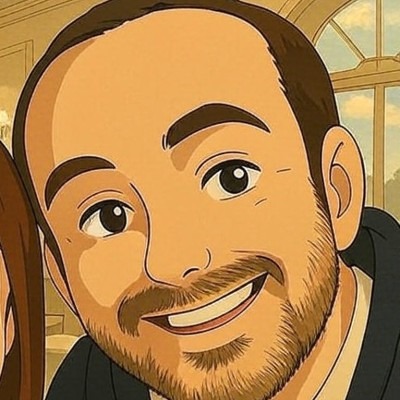

Ci sono vicende che vanno oltre il campo e le polemiche arbitrali. La storia raccontata da Gianluca Rocchi nell'intervista esclusiva concessa a Ivan Zazzaroni per il Corriere dello Sport appartiene proprio a questa categoria: non designazioni, non moviole, ma il lato più umano di un uomo travolto per mesi da accuse pesanti e da un'esposizione mediatica senza tregua. Il titolo scelto dal quotidiano — "All'inferno e ritorno" — non è un'iperbole: 129 giorni da "mostro", da quando lo scorso 24 aprile l'inchiesta sulle presunte pressioni ai club e sulle "bussate" nella sala Var di Lissone lo ha travolto, fino all'autosospensione.
I due filoni dell'inchiesta
Il caso, seguito dalla Procura di Milano, si è mosso su due binari paralleli: da un lato le presunte interferenze nella sala Var di Lissone, dall'altro il sospetto di designazioni pilotate a favore dell'Inter. Proprio su quest'ultimo punto è stato ascoltato come testimone anche Zazzaroni, che davanti al pm ha sempre sostenuto la stessa versione: nessuna pressione riscontrata su Rocchi, nessun contatto diretto tra l'ex designatore e i dirigenti dei club coinvolti.
Cosa dice la richiesta di archiviazione
L'elemento che cambia davvero lo scenario è la richiesta di archiviazione avanzata dai pm milanesi: la Procura ha ritenuto che non ci fossero elementi sufficienti per rinviare a giudizio l'ex designatore. Restano ancora due passaggi tecnici — la ratifica del gip e la chiusura del filone trasferito a Monza — ma la direzione della vicenda giudiziaria sembra ormai segnata.
La difesa nel merito
Nell'intervista Rocchi non si nasconde: ammette un errore tecnico nella lettura di un episodio Var, ma respinge con fermezza ogni sospetto di favoritismi, Inter compresa. Dice di non aver mai avuto contatti diretti con i dirigenti dei club, proprio perché aveva costruito il sistema del referee manager per tenere i designatori fuori da quel tipo di rapporti — la stessa architettura, sostiene, che oggi lo scagiona.
Il prezzo pagato fuori dal campo
Al di là degli aspetti procedurali, resta il racconto più umano: un'identità professionale andata in frantumi nel giro di poche ore, un lavoro perso prima ancora di una sentenza, mesi in cui il sollievo è arrivato solo a tratti — il primo vero, dice lui stesso, proprio quando i pm hanno chiesto l'archiviazione.
Un caso che lascia comunque il segno
La vicenda giudiziaria si avvia verso l'epilogo più prevedibile, quello dell'assenza di reato. Ma l'inchiesta ha comunque riportato alla luce interrogativi mai del tutto sopiti sui rapporti tra designatori e club. Per Rocchi, la strada verso una piena riabilitazione — anche mediatica — resta più lunga del procedimento penale stesso.
There are events that go beyond the pitch and the refereeing controversies. La storia raccontata da Gianluca Rocchi nell'intervista esclusiva concessa a Ivan Zazzaroni per il Corriere dello Sport appartiene proprio a questa categoria: non designazioni, non moviole, ma il lato più umano di un uomo travolto per mesi da accuse pesanti e da un'esposizione mediatica senza tregua. Il titolo scelto dal quotidiano — "All'inferno e ritorno" — non è un'iperbole: 129 giorni da "mostro", da quando lo scorso 24 aprile l'inchiesta sulle presunte pressioni ai club e sulle "bussate" nella sala Var di Lissone lo ha travolto, fino all'autosospensione.
I due filoni dell'inchiesta
The case, followed by the Milan Prosecutor's Office, moved on two parallel tracks: on the one hand the alleged interference in the VAR room in Lissone, on the other the suspicion of designations piloted in favor of Inter. Precisely on this last point, Zazzaroni was also heard as a witness, who always supported the same version before the prosecutor: no pressure found on Rocchi, no direct contact between the former designer and the managers of the clubs involved.
Cosa dice la richiesta di archiviazione
The element that really changes the scenario is the request for dismissal made by the Milanese prosecutors: the Prosecutor's Office considered that there were insufficient elements to send the former designator to trial. There are still two technical steps left - the ratification of the investigating judge and the closure of the section transferred to Monza - but the direction of the legal matter now seems set.
La difesa nel merito
In the interview Rocchi does not hide: he admits a technical error in reading a VAR episode, but firmly rejects any suspicion of favouritism, including Inter. He says he has never had direct contact with club managers, precisely because he had built the referee manager system to keep the referees out of that type of relationship - the same architecture, he claims, which today exonerates him.
Il prezzo pagato fuori dal campo
Beyond the procedural aspects, it remains the most human story: a professional identity shattered in the space of a few hours, a job lost even before a sentence was issued, months in which relief arrived only intermittently - the very first, he himself says, just when the prosecutors asked for the case to be dismissed.
Un caso che lascia comunque il segno
The legal case is moving towards the most predictable epilogue, that of the absence of a crime. But the investigation still brought to light questions that had never completely disappeared regarding the relationship between the referees and the clubs. For Rocchi, the road to full rehabilitation - including in the media - remains longer than the criminal proceedings themselves.