


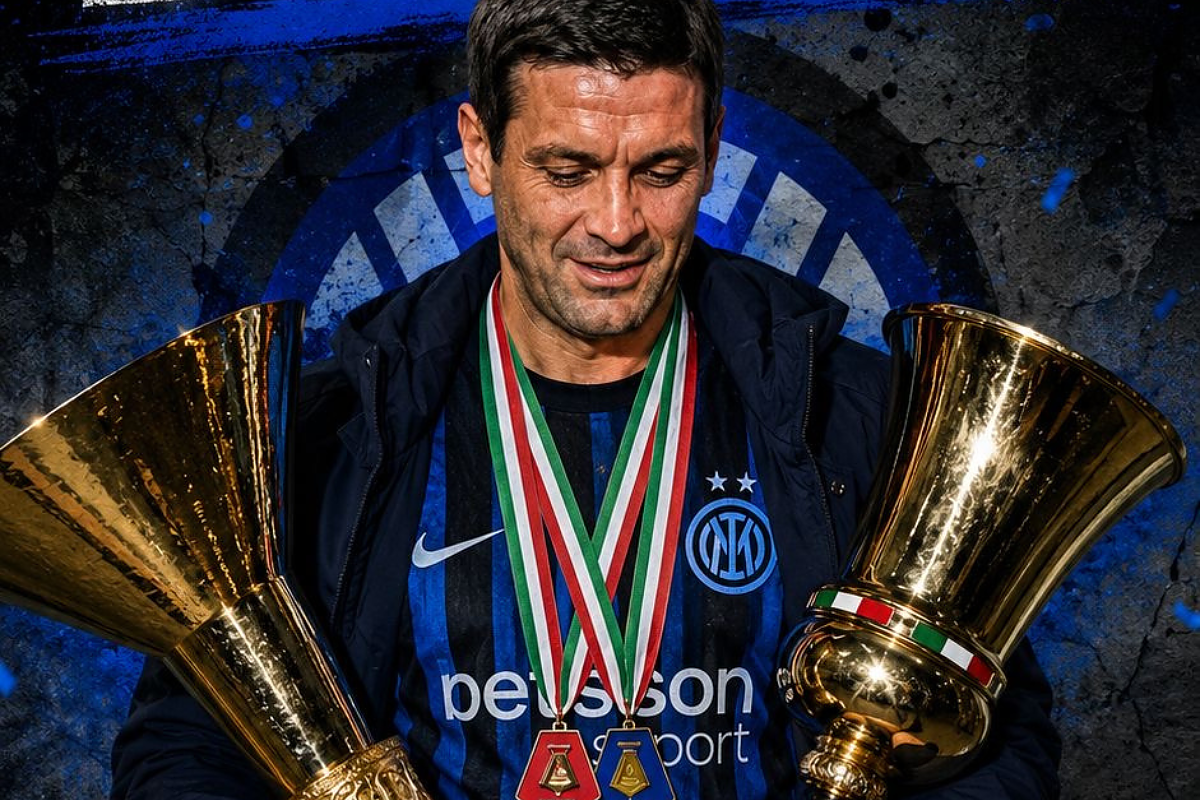
"Non faccio il Fi*o", fare l'allenatore oggi non significa solo decidere la formazione e fare tattica. Lo ha spiegato molto bene Cristian Chivu in un'intervista al Corriere dello Sport, rispondendo alle domande di Ivan Zazzaroni, parlando in modo molto sincero e senza girarci troppo intorno. Il tecnico del “double” ha ammesso che, all'inizio della sua avventura sulla panchina dell'Inter, ha avuto molti dubbi e si è chiesto più volte se fosse davvero all'altezza del compito e della fiducia della società che lo ha reso grande.
La domanda del: “sarò in grado?”
Il problema principale, secondo Chivu, è la gestione dello spogliatoio. Un conto è lavorare con i ragazzi delle giovanili, che hanno voglia di imparare e ti ascoltano, un altro è guidare calciatori già grandi e famosi. Con loro è molto più difficile entrare in sintonia e farsi seguire. Ci vuole una forte sensibilità per capire la loro testa, una dote che all'inizio non sapeva nemmeno lui di avere.
Gestire la pressione
A tutto questo si aggiunge la pressione enorme che c'è intorno a una squadra come l'Inter. I tifosi e i giornalisti pretendono sempre il massimo, e basta un pareggio o una partita sbagliata per far scoppiare il caos dal nulla. Questa situazione crea un forte stress che l'allenatore deve essere bravo a gestire ogni giorno per non far pesare la situazione sulla squadra.
Il vero salto
Prima di questa esperienza, Chivu aveva allenato solo nei settori giovanili, compresa una parentesi al Parma. Di quel periodo ricorda dei ragazzi fantastici, anche se ammette che l'ambiente lì era molto più complicato da gestire rispetto a quello delle giovanili dell'Inter. Ma il vero salto di qualità lo ha fatto scontrandosi con la realtà della prima squadra, e i fatti mixati ai due trofei hanno decretato il suo spessore infinito.
Un percorso straordinario quello del tecnico al suo primo anno sulla panchina della Benamata in cui oltre alla prematura uscita dalla Champions l'altra cosa che è ‘mancata’, se così possiamo dire, è stata la vittoria nel derby della Madonnina, una partita sempre molto sentita in città ma che per Chivu non ha rappresentato un particolare problema: "Ho rosicato zero. Per me è una partita di calcio persa, la cosa più importante è come reagisco e cosa faccio alla prossima, anche perché non ti permetti di andare a rosicare per una partita persa, non hai tempo perché devi preparare la prossima. Abbiamo perso una partita, basta, si volta pagina e si riparte da zero. Funziona anche quando vinci, bisogna che le cose vadano così".
Quello che conta, infatti, è essere sopra di tutti al termine della stagione e l'Inter ha raggiunto l'obiettivo.
"I'm not a prick", being a coach today doesn't just mean deciding on the formation and making tactics. Cristian Chivu explained it very well in an interview with Corriere dello Sport, answering Ivan Zazzaroni's questions, speaking very sincerely and without beating around the bush too much. The "double" coach admitted that, at the beginning of his adventure on the Inter bench, he had many doubts and asked himself several times if he was really up to the task and the trust of the club that made him great.
La domanda del: “sarò in grado?”
The main problem, according to Chivu, is the management of the dressing room. It's one thing to work with youth players, who want to learn and listen to you, it's another to guide already great and famous footballers. It is much more difficult to get in tune with them and be followed. It takes a strong sensitivity to understand their minds, a skill that at the beginning he didn't even know he had.
Gestire la pressione
Added to all this is the enormous pressure around a team like Inter. Fans and journalists always demand the best, and all it takes is a draw or a bad match for chaos to erupt out of nowhere. This situation creates a lot of stress that the coach must be good at managing every day so as not to make the situation weigh on the team.
Il vero salto
Before this experience, Chivu had only coached in the youth sectors, including a spell at Parma. He remembers some fantastic kids from that period, even if he admits that the environment there was much more complicated to manage than that of Inter's youth teams. But the real leap in quality came when he clashed with the reality of the first team, and the facts combined with the two trophies confirmed his infinite depth.
An extraordinary journey for the coach in his first year on the Benamata bench in which, in addition to the premature exit from the Champions League, the other thing that was 'missing', if we can say so, was the victory in the Madonnina derby, a match that is always very popular in the city but which for Chivu did not represent a particular problem: "I didn't cheat. For me it's a lost football match, the most important thing is how I react and what I do next time, also because you don't allow yourself to go and cheat for a lost game, you don't have time because you have to prepare for the next one. We lost one game, that's it, we turn the page and start from scratch. It works even when you win, things have to go like this."
What matters, in fact, is to be above everyone else at the end of the season and Inter has achieved this objective.