

La vicenda Maldini-Pirlo è un classico esempio di incompetenza manageriale o, più precisamente, di cattiva governance.
Il metodo scelto dal nuovo presidente federale Giovanni Malagò non era necessariamente sbagliato: in primis nominare un direttore tecnico autorevole; affidare poi a lui, al presidente e al consulente Leonardo la scelta consensuale del commissario tecnico avrebbe potuto garantire competenza e coerenza al progetto della Nazionale.
Il problema è che Malagò ha probabilmente scelto la persona sbagliata per quel particolare ruolo o, quantomeno, non ha verificato fino in fondo che Maldini fosse adatto a operare all’interno di una struttura nella quale le decisioni più importanti dovevano essere condivise.
Maldini
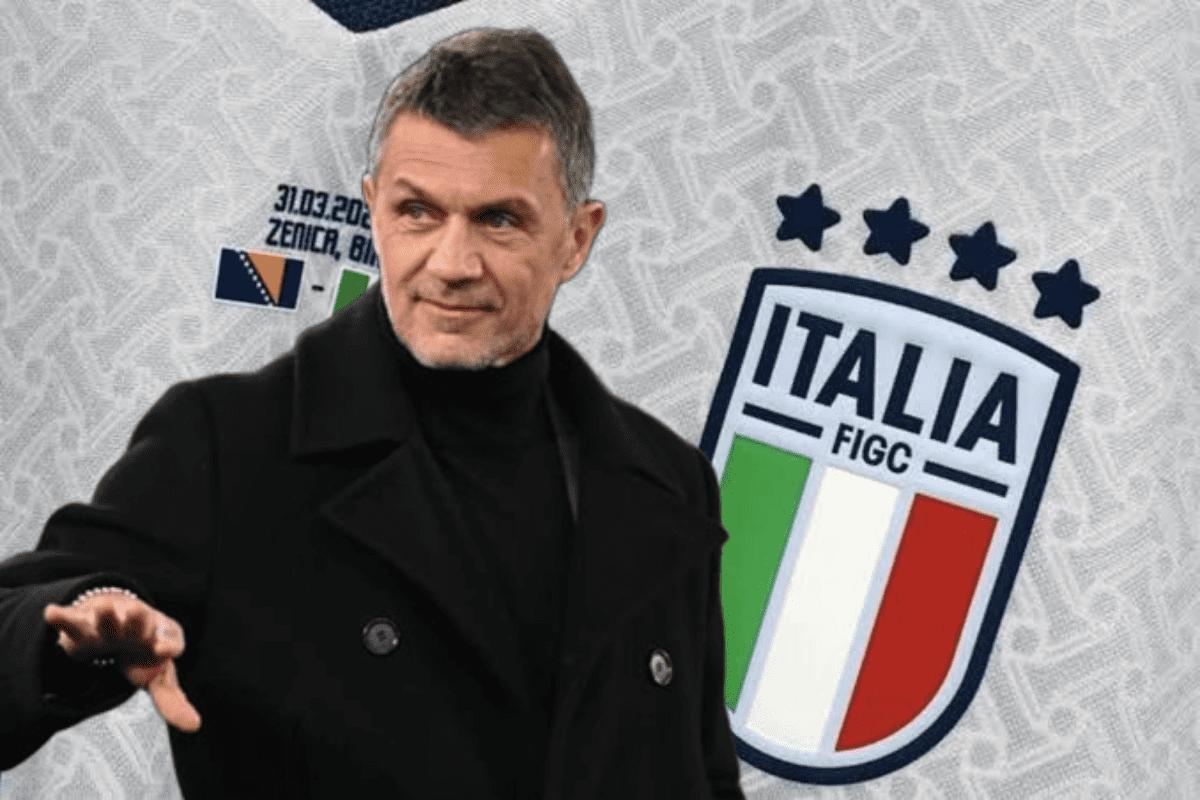
Su Paolo Maldini bisogna essere equilibrati. È stato un grandissimo calciatore e, durante la sua esperienza dirigenziale al Milan, la squadra ha vinto uno scudetto e raggiunto una semifinale di Champions League. Non sarebbe quindi corretto definire negativo il suo bilancio. Tuttavia, il suo curriculum manageriale è ancora relativamente breve e la sua esperienza si è conclusa con una rottura netta con la proprietà.
Gerry Cardinale lo avrebbe descritto come un one-man show, poco incline a lavorare all’interno di un processo decisionale collegiale. All’epoca interpretai quelle parole soprattutto come una giustificazione per il suo licenziamento. Ma, se fossi stato io a valutare Maldini per un incarico federale così delicato, avrei certamente interpellato Cardinale, raccolto altre testimonianze e cercato di capire meglio la natura di quella rottura.
Questo non significa che Cardinale avesse necessariamente ragione. Tuttavia, quanto è accaduto adesso sembra confermare almeno in parte le sue osservazioni. Maldini aveva puntato con grande decisione su Andrea Pirlo come CT e, quando non è stato possibile procedere con quella candidatura, ha lasciato l’incarico insieme a Leonardo, appena sedici giorni dopo la loro nomina.
La questione commissario tecnico
L’intesa prevedeva che la scelta del commissario tecnico fosse presa consensualmente. In teoria, era un’impostazione ragionevole. Ma il consenso funziona soltanto quando esiste una visione comune sui criteri fondamentali e quando è previsto un meccanismo per superare un eventuale disaccordo.
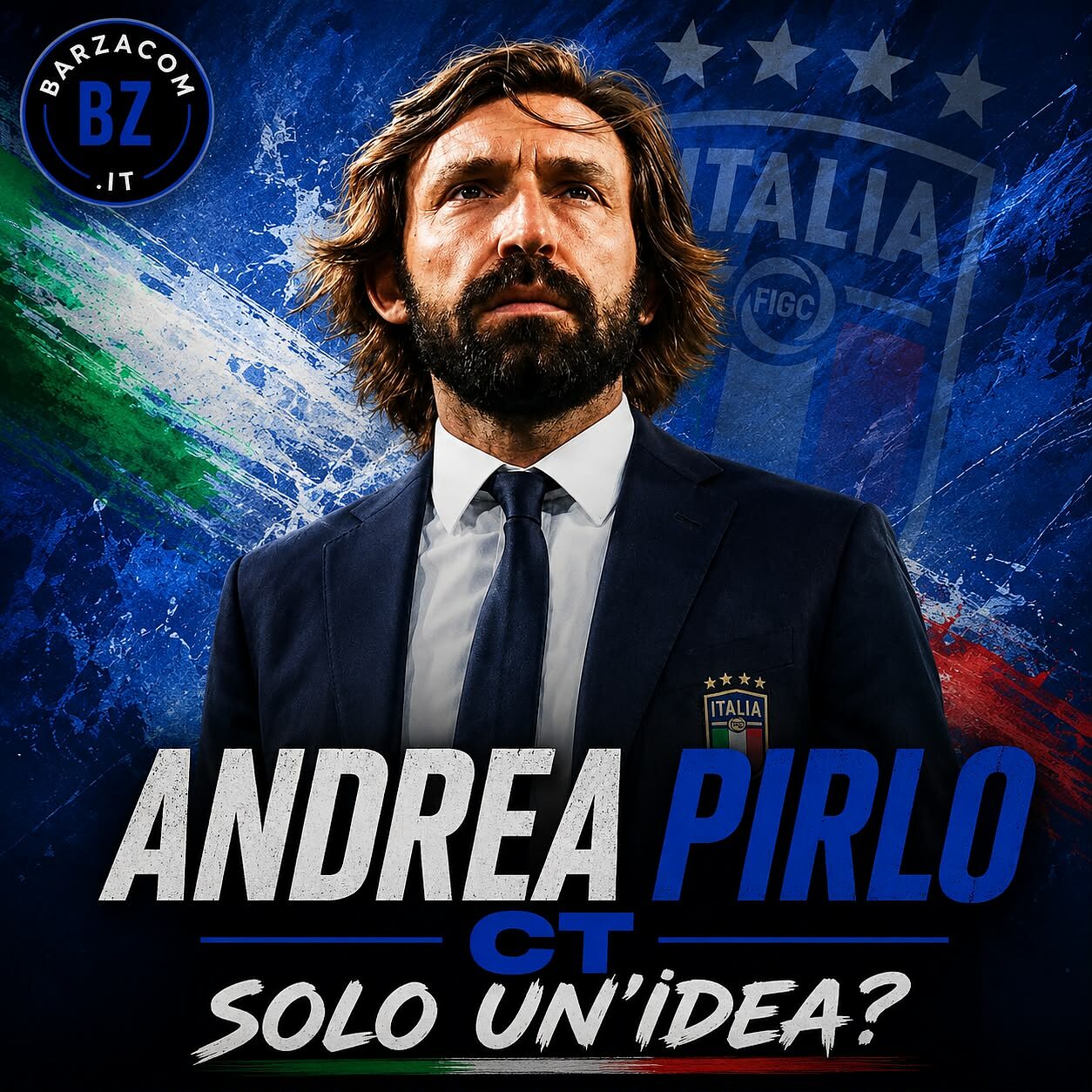
Se Pirlo era fin dall’inizio il candidato irrinunciabile di Maldini, Malagò avrebbe dovuto capirlo prima di nominarlo. Allo stesso modo, Maldini avrebbe dovuto comprendere che una procedura consensuale significava che nessuno dei partecipanti poteva imporre unilateralmente il proprio candidato.
L'errore di Malagò
Il vero errore manageriale di Malagò è stato quindi quello di avere costruito un processo basato sul consenso senza verificare che esistessero le condizioni per raggiungerlo e senza stabilire che cosa sarebbe accaduto in caso di stallo. In un’organizzazione ben gestita, il consenso può essere l’obiettivo, ma non può essere l’unico meccanismo decisionale. Occorrono criteri condivisi, una rosa di candidati accettabili e, in ultima istanza, una persona responsabile della decisione finale.
Anche la gestione della candidatura di Pirlo lascia molti dubbi. La questione dei suoi rapporti commerciali con una società russa di scommesse avrebbe dovuto emergere durante una normale attività di due diligence, prima che la nomina sembrasse ormai imminente. La Federazione avrebbe dovuto valutarne in anticipo le implicazioni politiche e reputazionali e preparare una risposta convincente.
Malagò ha poi dichiarato che né lui né, a quanto sembra, Maldini erano a conoscenza di quel contratto e si è assunto personalmente la responsabilità di avere fermato la candidatura per ragioni di opportunità. Questa ammissione non attenua il problema: lo rende ancora più evidente. La funzione della due diligence è precisamente quella di evitare che un elemento potenzialmente decisivo emerga alla fine del processo.
Continuo peraltro a pensare che il blocco sia stato determinato più dalle pressioni politiche esercitate su Malagò che dalla sponsorizzazione in sé. Ma si trattava comunque di un problema prevedibile, che avrebbe dovuto essere affrontato prima.
La sponsorizzazione non dovrebbe inoltre far dimenticare la questione principale: il curriculum di Pirlo come allenatore rendeva la sua nomina una scommessa molto rischiosa. Affidargli la ricostruzione della Nazionale avrebbe richiesto motivazioni tecniche particolarmente solide, che non sono mai state spiegate in modo convincente.
Non sappiamo neppure quanto seriamente sia stato condotto il tentativo di ingaggiare Pep Guardiola. È possibile che la proposta sia stata formulata nel modo più professionale possibile e che il suo rifiuto sia stato definitivo. Ma non possiamo neppure escludere che la candidatura sia stata esplorata senza tutta la determinazione necessaria, sapendo che Pirlo rimaneva comunque la soluzione preferita da Maldini.
Nel mondo degli affari, quando cambia un elemento importante di una proposta, è normale riesaminarla. Malagò avrebbe potuto ricontattare Guardiola per verificare se la partenza di Maldini e il cambiamento della struttura tecnica modificassero qualcosa. È però anche possibile che il caos di questi giorni abbia reso l’incarico ancora meno attraente.
Sterzata su Mancini
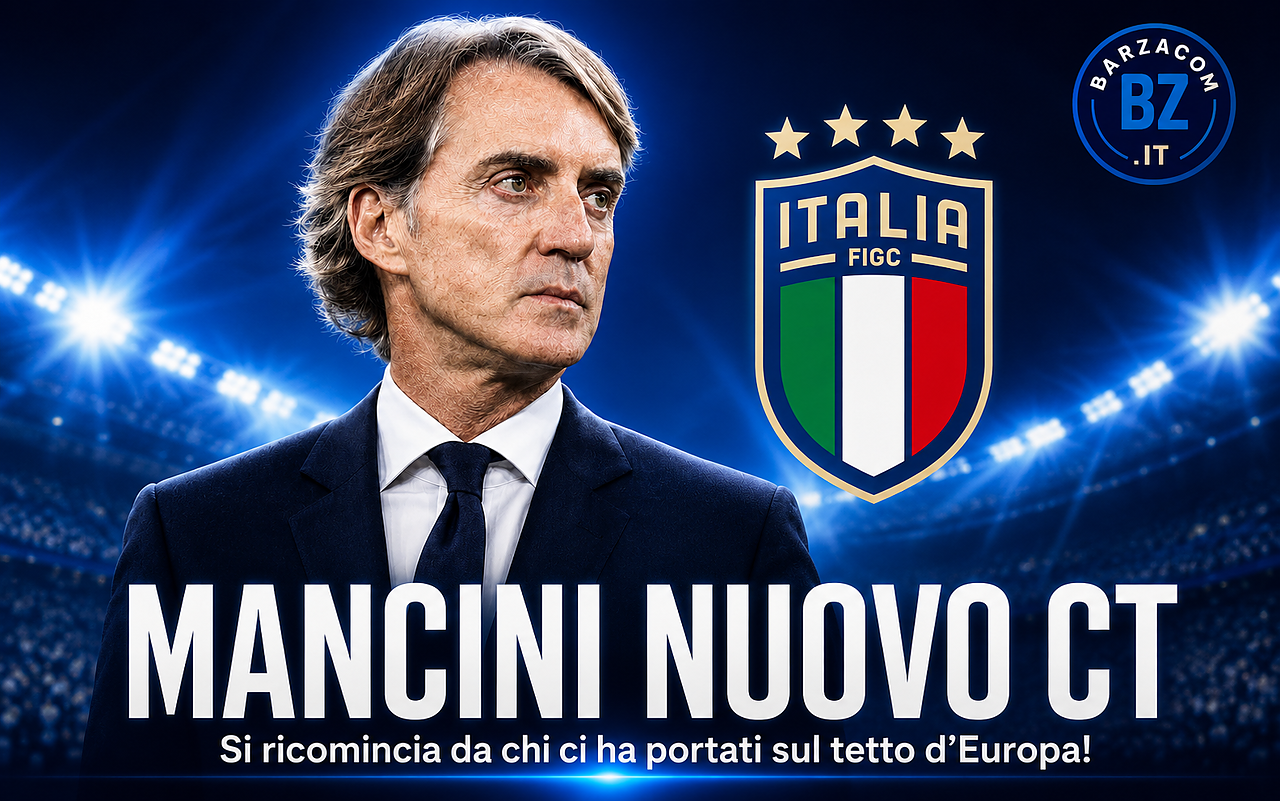
Nel frattempo, Malagò ha sciolto il nodo: Roberto Mancini torna sulla panchina della Nazionale, mentre Claudio Ranieri diventa direttore tecnico e presidente del Club Italia. Malagò ha spiegato che il tempo stringeva, che considerava Mancini la persona giusta e che aveva bisogno di un direttore tecnico con cui condividere la decisione. Ranieri ha accettato l’incarico e dato il proprio assenso poco prima dell’annuncio.
La combinazione Mancini-Ranieri sembra più solida e credibile di quella Maldini-Pirlo. Ranieri è una figura autorevole, equilibrata e abituata a gestire personalità e situazioni complesse. Mancini è un allenatore di valore, conosce profondamente l’ambiente azzurro e ha già portato l’Italia alla vittoria dell’Europeo.
La nuova soluzione conferma però anche il fallimento del metodo originario. Malagò aveva voluto nominare prima il direttore tecnico e lasciare che la scelta del CT emergesse da un processo consensuale. Alla fine è stato lui a individuare Mancini e a cercare subito dopo un direttore tecnico disposto a condividere e sostenere quella scelta.
Formalmente la decisione è stata condivisa con Ranieri. Sostanzialmente, però, il progetto è nato dalla scelta personale di Malagò. Ranieri rischia quindi di diventare il garante di una decisione già impostata, anziché l’architetto del nuovo sistema delle Nazionali.
Questo non significa che la scelta sia sbagliata. Anzi, nell’emergenza Malagò ha agito rapidamente e si è assunto apertamente la responsabilità della decisione. È un elemento positivo. Ma ha risolto la crisi abbandonando, nei fatti, il modello con cui aveva iniziato la propria presidenza.
La coppia Ranieri-Mancini può funzionare e, probabilmente, rappresenta una soluzione migliore di quanto si potesse immaginare dopo il fallimento dell’operazione Pirlo. Ma un eventuale successo non cancellerebbe la confusione con cui si è arrivati fin qui. La Nazionale non aveva bisogno soltanto di trovare rapidamente un CT. Aveva bisogno di dimostrare di avere costruito un processo decisionale credibile.
Malagò ha risolto l’emergenza. Adesso deve dimostrare di avere risolto anche il problema di governance.
The Maldini-Pirlo affair is a classic example of managerial incompetence or, more precisely, bad governance.
The method chosen by the new federal president Giovanni Malagò was not necessarily wrong: first of all, appoint an authoritative technical director; then entrusting the consensual choice of the coach to him, the president and the consultant Leonardo could have guaranteed competence and coherence to the national team project.
The problem is that Malagò probably chose the wrong person for that particular role or, at least, did not fully verify that Maldini was suitable to operate within a structure in which the most important decisions had to be shared.
Maldini
We need to be balanced about Paolo Maldini. He was a great footballer and, during his managerial experience at Milan, the team won a scudetto and reached a Champions League semi-final. It would therefore not be correct to define its balance sheet as negative. However, his managerial CV is still relatively short and his experience ended with a clean break with the owners.
Gerry Cardinale would have described him as a one-man show, disinclined to work within a collegial decision-making process. At the time I interpreted those words above all as a justification for his dismissal. But, if I had been the one evaluating Maldini for such a delicate federal position, I would certainly have interviewed Cardinale, collected other testimonies and tried to better understand the nature of that rupture.
This does not mean that Cardinale was necessarily right. However, what has happened now seems to at least partially confirm his observations. Maldini had very decisively focused on Andrea Pirlo as coach and, when it was not possible to proceed with that candidacy, he left the position together with Leonardo, just sixteen days after their appointment.
La questione commissario tecnico
The agreement provided that the choice of the technical commissioner was made by consensus. In theory, it was a reasonable setup. But consensus only works when there is a common understanding of the fundamental criteria and when there is a mechanism in place to overcome any disagreement.
If Pirlo was Maldini's indispensable candidate from the beginning, Malagò should have understood this before appointing him. Likewise, Maldini should have understood that a consensual procedure meant that none of the participants could unilaterally impose their candidate.
L'errore di Malagò
Malagò's real managerial mistake was therefore to have built a process based on consensus without verifying that the conditions existed to achieve it and without establishing what would happen in the event of a stalemate. In a well-managed organization, consensus may be the goal, but it cannot be the only decision-making mechanism. We need shared criteria, a shortlist of acceptable candidates and, ultimately, a person responsible for the final decision.
The management of Pirlo's candidacy also leaves many doubts. The issue of his business dealings with a Russian betting company should have emerged during normal due diligence before the appointment seemed imminent. The Federation should have assessed the political and reputational implications in advance and prepared a convincing response.
Malagò then declared that neither he nor, apparently, Maldini were aware of that contract and took personal responsibility for having stopped the candidacy for reasons of expediency. This admission doesn't alleviate the problem: it makes it even more evident. The function of due diligence is precisely to prevent a potentially decisive element from emerging at the end of the process.
However, I continue to think that the block was determined more by the political pressure exerted on Malagò than by the sponsorship itself. But it was still a foreseeable problem, which should have been addressed sooner.
The sponsorship should also not make us forget the main issue: Pirlo's CV as a coach made his appointment a very risky bet. Entrusting him with the reconstruction of the national team would have required particularly solid technical reasons, which have never been convincingly explained.
We don't even know how seriously the attempt to hire Pep Guardiola was conducted. It is possible that the proposal was formulated in the most professional way possible and that its rejection was final. But we cannot exclude that the candidacy was explored without all the necessary determination, knowing that Pirlo still remained Maldini's preferred solution.
In the business world, when an important element of a proposal changes, it is normal to re-examine it. Malagò could have contacted Guardiola again to check if Maldini's departure and the change in the technical structure changed anything. However, it is also possible that the chaos of recent days has made the task even less attractive.
Sterzata su Mancini
In the meantime, Malagò has untied the knot: Roberto Mancini returns to the national team bench, while Claudio Ranieri becomes technical director and president of Club Italia. Malagò explained that time was running out, that he considered Mancini the right person and that he needed a technical director with whom to share the decision. Ranieri accepted the assignment and gave his consent shortly before the announcement.
The Mancini-Ranieri combination seems more solid and credible than the Maldini-Pirlo one. Ranieri is an authoritative figure, balanced and used to managing complex personalities and situations. Mancini is a valuable coach, he knows the Azzurri environment deeply and has already led Italy to victory in the European Championship.
However, the new solution also confirms the failure of the original method. Malagò had wanted to appoint the technical director first and let the choice of coach emerge from a consensual process. In the end it was he who identified Mancini and immediately looked for a technical director willing to share and support that choice.
Formally the decision was shared with Ranieri. Substantially, however, the project was born from Malagò's personal choice. Ranieri therefore risks becoming the guarantor of an already established decision, rather than the architect of the new national team system.
This doesn't mean the choice is wrong. Indeed, in the emergency Malagò acted quickly and openly assumed responsibility for the decision. It's a positive element. But he resolved the crisis by abandoning, in fact, the model with which he began his presidency.
The Ranieri-Mancini pairing can work and probably represents a better solution than could have been imagined after the failure of the Pirlo operation. But any success would not erase the confusion that has led to this point. The national team didn't just need to quickly find a coach. He needed to demonstrate that he had built a credible decision-making process.
Malagò resolved the emergency. Now it must demonstrate that it has also solved the governance problem.