


L’indagine della Procura di Bari apre un nuovo fronte per il presidente azzurro. Intanto la piazza partenopea osserva con crescente impazienza un mercato ancora immobile, dopo il divorzio da Antonio Conte e le parole del patron sulla necessità di vendere prima di acquistare.
Nel Centenario del club, Massimiliano Allegri è chiamato a riportare subito il Napoli al vertice.
Ci sono estati che servono a costruire e altre che, quasi senza preavviso, obbligano a difendersi. Quella di Aurelio De Laurentiis sembra improvvisamente appartenere alla seconda categoria.

La notizia arrivata da Bari ha inevitabilmente scosso il mondo che ruota attorno alla famiglia del presidente del Napoli. Aurelio e Luigi De Laurentiis risultano indagati dalla Procura di Bari per false comunicazioni sociali e bancarotta fraudolenta, nell’ambito di una vicenda legata alla situazione economico-finanziaria della società biancorossa. La Guardia di Finanza ha eseguito perquisizioni nelle sedi del Bari, del Napoli e della Filmauro. Secondo quanto riferito da Bari, gli approfondimenti investigativi riguardano bilanci, note integrative e relazioni sulla gestione del club pugliese; la ricostruzione degli inquirenti descrive una società che avrebbe accumulato perdite sistemiche per circa 30 milioni di euro tra il 2019 e il 2025, con un rilevante deficit patrimoniale e una consistente esposizione debitoria.
È doveroso chiarirlo senza ambiguità: siamo nella fase delle indagini e ogni responsabilità dovrà essere eventualmente accertata nelle sedi competenti, nel pieno rispetto della presunzione di innocenza. Ma sarebbe altrettanto ingenuo fingere che una vicenda di questa portata possa restare confinata esclusivamente nelle aule giudiziarie, senza produrre conseguenze sul piano dell’immagine, della comunicazione e della percezione pubblica.
Anche perché il cuore dell’inchiesta tocca un terreno particolarmente sensibile nel calcio contemporaneo: i rapporti economici tra società riconducibili alla medesima proprietà.
Varie operazioni prese sotto indagine
Tra le operazioni finite sotto la lente degli investigatori figura infatti quella relativa a Elia Caprile. Il portiere, dopo essere stato acquistato dal Bari dal Leeds, venne ceduto al Napoli nel luglio 2023 per circa 2,2 milioni di euro. Secondo la ricostruzione investigativa riportata dalla stampa, l’operazione sarebbe avvenuta senza una clausola che garantisse al Bari una partecipazione al futuro plusvalore del calciatore. Caprile è stato successivamente valorizzato e poi ceduto al Cagliari per una cifra indicata attorno agli 8 milioni di euro. La Procura starebbe dunque approfondendo anche le modalità con cui quell’operazione venne rappresentata nei documenti societari e l’effetto patrimoniale prodotto sul club pugliese.
È probabilmente questo il passaggio più delicato dell’intera vicenda.
Perché non si discute soltanto di un bilancio o di una scelta di mercato. Si entra nel cuore di una questione che da anni accompagna il dibattito sulle multiproprietà: dove finisce l’interesse di una società e dove comincia quello dell’altra? Quale club beneficia davvero di un’operazione? E soprattutto, quando due squadre appartengono alla stessa galassia proprietaria, chi garantisce che ogni decisione venga assunta tutelando in modo autonomo e prioritario il patrimonio di ciascuna?
Sono interrogativi che oggi assumono un peso ancora maggiore perché arrivano dopo una stagione drammatica per il Bari, culminata nella retrocessione in Serie C e in un rapporto ormai profondamente lacerato tra la proprietà e una parte consistente della città. Lo stesso sindaco di Bari aveva chiesto un incontro urgente e un progetto serio orientato alla cessione del club dopo la caduta in terza serie.
Ma se Bari vive il momento più doloroso della sua recente storia calcistica, Napoli osserva e si interroga.
E qui il quadro diventa ancora più complesso.
Perché l’inchiesta giudiziaria esplode esattamente mentre la piazza partenopea sta già attraversando una fase di crescente inquietudine. Il club si prepara alla stagione del Centenario, ha affidato la panchina a Massimiliano Allegri, ma sul mercato continua a trasmettere l’immagine di una società sospesa, quasi trattenuta da una lunga operazione di riordino interno.
La reazione di De Laurentiis
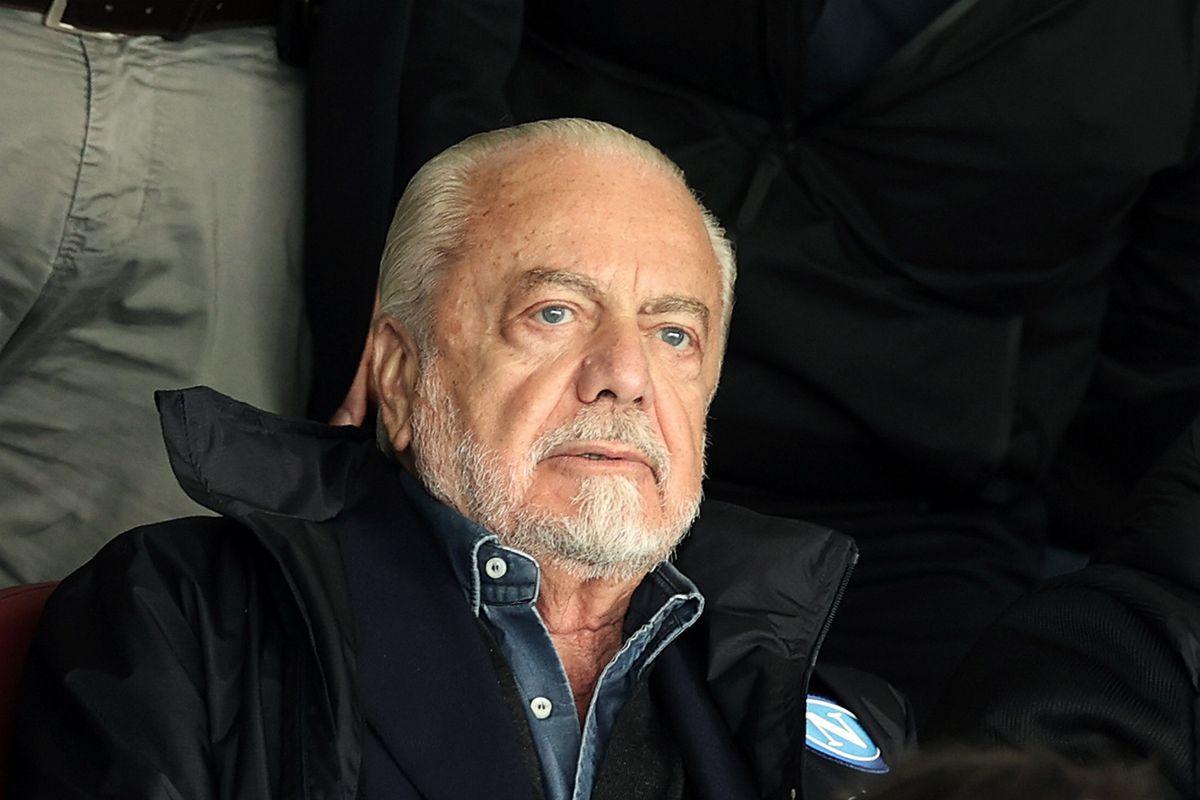
La reazione dei diretti interessati, affidata a un comunicato ufficiale pubblicato sul sito del Napoli, è di totale stupore. Esterrefatti, basiti, ma comunque convinti che la loro posizione sarà chiarita dinanzi alle autorità competenti. Il valore di Elia Caprile - si legge- era stato quantificato da un perito terzo e indipendente; le perdite economiche del Bari - prosegue la nota - sono invece ritenute fisiologiche nel settore calcistico e non tali da giustificare una proceduta di liquidazione giudiziale.
"SSC Bari, SSC Napoli, Aurelio e Luigi De Laurentiis hanno appreso esterrefatti le contestazioni sollevate nel decreto di perquisizione e sequestro emesso dalla Procura della Repubblica presso il Tribunale di Bari, ed eseguito questa mattina. Il rilievo degli inquirenti riguarda il trasferimento tra società infragruppo di un calciatore, Elia Caprile, il cui valore era stato quantificato, mediante perizia giurata, prima del perfezionamento dell'operazione, da un soggetto terzo, indipendente e professionista autorevole, già consulente dell’Autorità giudiziaria, e fortemente accreditato nel settore calcistico, del tutto estraneo agli indagati.Lascia basiti, poi, la richiesta di liquidazione giudiziale di SSC Bari, proposta dalla medesima Procura, ai sensi dell’articolo 38 CCI, trattandosi di società assolutamente rispettosa dei propri impegni economici, le cui perdite di esercizio - fisiologiche nel settore calcistico - vengono sistematicamente coperte dall’intervento della proprietà con risorse proprie.SSC Bari, SSC Napoli, Aurelio e Luigi De Laurentiis esprimono con serenità la ferma convinzione che la loro posizione sarà rapidamente chiarita presso la competente Autorità Giudiziaria auspicando la tempestiva richiesta di archiviazione del procedimento tenuto conto della estrema serietà con cui quotidianamente i soggetti coinvolti operano, ed hanno sempre operato, nel pieno e scrupoloso rispetto della legge, dei principi contabili e delle norme federali".
Le parole di De Laurentiis sul mercato del Napoli
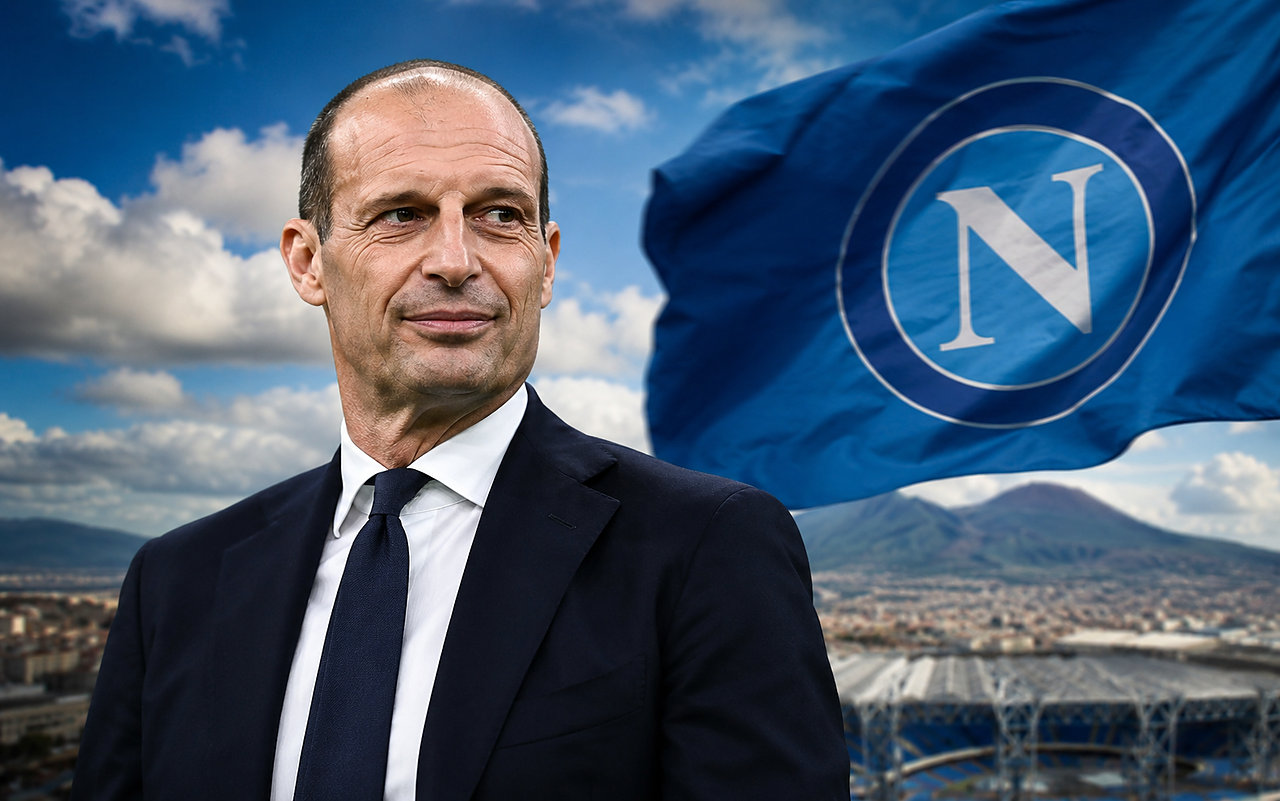
Le parole pronunciate da De Laurentiis durante la presentazione della nuova maglia hanno avuto l’effetto di una doccia fredda su una tifoseria che, al contrario, si aspettava segnali immediati.
Il presidente ha spiegato che il Napoli dispone di 47 calciatori e che dovrebbe piazzarne almeno 25 prima di cominciare a parlare di eventuali acquisti.
Ha aggiunto di aver ricevuto circa “duecento proposte” di giocatori e ha sottolineato che, a suo giudizio, l’organico attuale potrebbe già consentire al nuovo tecnico di fare grandi cose. Nella stessa occasione ha definito Allegri un allenatore “aziendalista”, lasciando intendere una sintonia che dovrebbe rendere più semplice la gestione della rosa.
Parole legittime sotto il profilo della gestione aziendale. Molto meno rassicuranti, però, nella percezione di una piazza che non vive il calcio attraverso un foglio Excel.
Perché 47 giocatori non sono necessariamente 47 soluzioni.
Dentro quel numero convivono titolari, riserve, esuberi, prestiti di ritorno, calciatori fuori dal progetto, giovani da valutare e contratti che il club vorrebbe probabilmente alleggerire. Trasformare una massa numerica in una rosa competitiva è tutt’altra cosa. E dire che bisogna venderne venticinque prima di acquistare significa, inevitabilmente, consegnare al mercato un messaggio preciso: il Napoli vuole prima liberarsi di ciò che considera superfluo.
Il problema è che il mercato conosce perfettamente le necessità di chi vende.
E quando tutti sanno che devi cedere, raramente arrivano offerte generose.
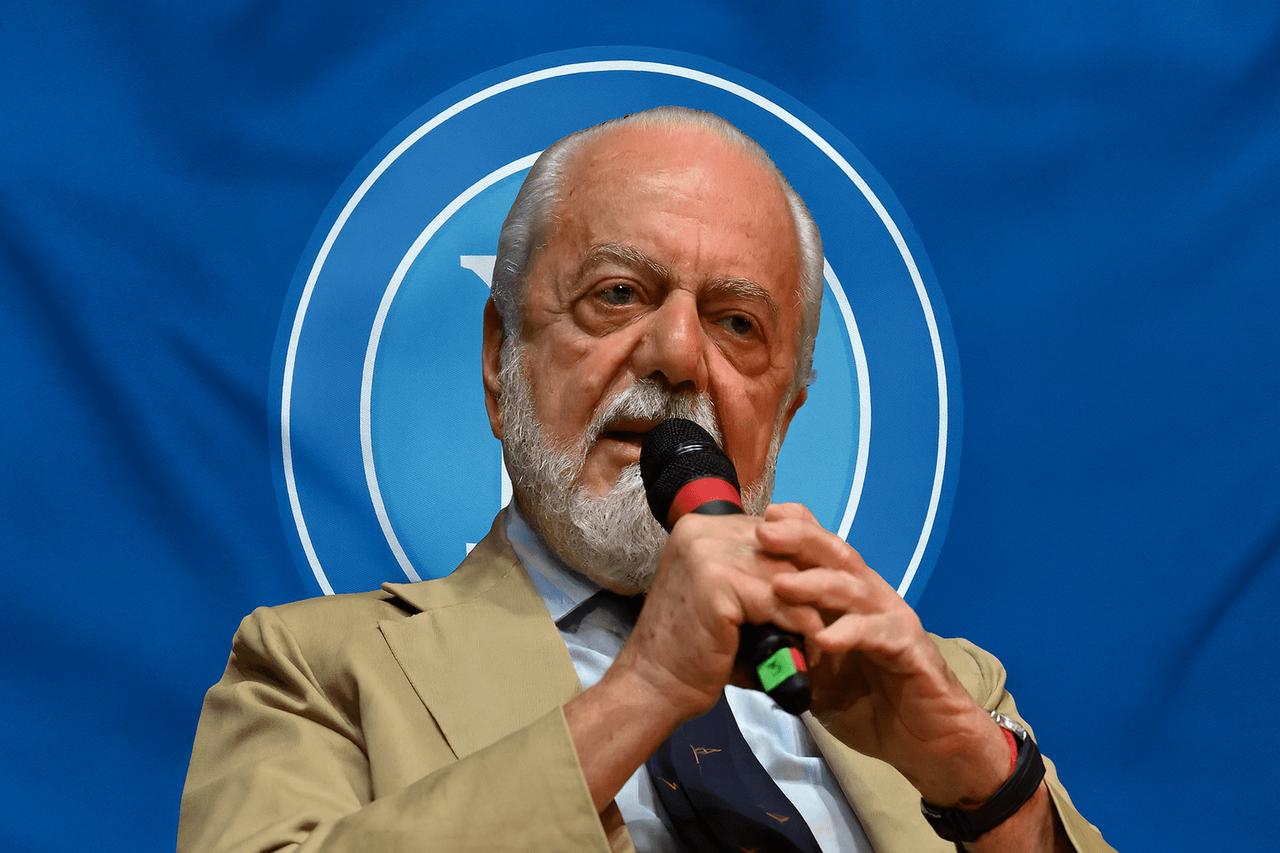
È questo il paradosso dell’estate azzurra: il Napoli ha bisogno di muoversi, ma per muoversi deve prima alleggerirsi. Deve costruire, ma prima deve smontare. Deve consegnare ad Allegri una squadra capace di competere immediatamente per lo scudetto, ma intanto lascia filtrare l’idea che il primo grande obiettivo sia ridurre drasticamente il numero dei tesserati.
Tutto questo avviene dopo il divorzio con Antonio Conte, e sarebbe un errore considerarlo un dettaglio secondario.
Conte ha lasciato Napoli dopo due stagioni nelle quali aveva conquistato uno scudetto, una Supercoppa italiana e, nell’ultima annata, un secondo posto alle spalle dell’Inter. L’addio è arrivato al termine di una stagione segnata anche da tensioni e da una diversità di vedute emersa pubblicamente tra il tecnico e De Laurentiis.
E proprio qui si trova il punto politico della vicenda.
Conte non era soltanto un allenatore. Era una garanzia di pressione quotidiana sulla società. Un tecnico capace di trasformare ogni conferenza stampa, ogni allenamento e ogni trattativa di mercato in una richiesta costante di competitività. La sua presenza impediva al club di vivere nella zona grigia dell’attesa. Conte pretendeva risposte, giocatori, alternative, profondità.
Con Massimiliano Allegri, ufficialmente nominato nuovo allenatore il 3 luglio con un contratto fino al 30 giugno 2029, De Laurentiis ha scelto un profilo diverso, ma certamente non meno prestigioso. Un tecnico che ha vinto sei campionati italiani e che conosce come pochi la gestione delle grandi pressioni.
Ma proprio il curriculum di Allegri rende ancora più alta l’asticella.
Il nuovo allenatore non arriva a Napoli per amministrare una transizione. Non può essere il volto rassicurante di un ridimensionamento. Non è stato scelto per accompagnare una lenta rifondazione. Allegri arriva per vincere.
Ed è questo che la città si aspetta.
Il Napoli viene da uno scudetto e da un secondo posto. Non parte dalle macerie. Non deve ricostruire una squadra dispersa nelle retrovie della classifica. Deve tornare immediatamente a contendere il titolo all’Inter e alle altre grandi del campionato. Deve sfruttare il Centenario non soltanto come una celebrazione della memoria, ma come una dichiarazione di ambizione.
Per questo l’immobilismo del mercato preoccupa.
Per questo le parole sui 47 giocatori non sono state accolte come una semplice precisazione tecnica.
E per questo l’inchiesta di Bari, pur appartenendo a un piano completamente diverso, rischia di aggiungere ulteriore tensione a un ambiente che attende risposte.
Aurelio De Laurentiis ha costruito negli anni un Napoli economicamente solido, competitivo e capace di vincere. Ha spesso avuto ragione quando molti lo criticavano. Ha saputo anticipare cicli, valorizzare giocatori, resistere alle pressioni della piazza e trasformare il club in una realtà stabilmente europea.
Ma proprio perché la sua storia gli riconosce questi meriti, oggi la responsabilità è ancora più grande.
Il Napoli non può permettersi un’estate di esitazioni.
Non può consegnare ad Allegri una squadra incompleta confidando esclusivamente nella capacità del tecnico di adattarsi. Non può pensare che il prestigio dell’allenatore basti a coprire eventuali lacune strutturali. E soprattutto non può lasciare che una stagione simbolicamente enorme, quella dei cento anni dalla nascita del club, cominci sotto il segno dell’incertezza.
La vicenda giudiziaria farà il suo corso. Le responsabilità, se esistono, saranno accertate dalla magistratura e non dai processi mediatici.
Ma il calcio ha tempi diversi.
E Napoli non aspetta le sentenze per giudicare un progetto sportivo.
La città guarda il mercato, osserva le uscite, attende i primi colpi e vuole capire quale squadra verrà affidata a Massimiliano Allegri.
Quarantasette giocatori possono essere un problema di gestione. Ma per una grande squadra il vero problema nasce quando, dentro quei quarantasette, non ci sono abbastanza uomini capaci di vincere.
Ed è esattamente questa la domanda che oggi attraversa Napoli.
The investigation by the Bari Prosecutor's Office opens a new front for the Italian president. Meanwhile, the Neapolitan market is observing with growing impatience a market that is still immobile, after the divorce from Antonio Conte and the patron's words on the need to sell before buying. In the centenary of the club, Massimiliano Allegri is called to immediately bring Napoli back to the top. There are summers that serve to build and others that, almost without warning, force you to defend. That of Aurelio De Laurentiis suddenly seems to belong to the second category.
The news arriving from Bari has inevitably shaken the world that revolves around the family of the Napoli president. Aurelio and Luigi De Laurentiis are under investigation by the Bari Prosecutor's Office for false corporate communications and fraudulent bankruptcy, as part of an affair linked to the economic-financial situation of the red and white club. The Financial Police carried out searches at the Bari, Napoli and Filmauro offices. According to what was reported by Bari, the investigative insights concern financial statements, supplementary notes and reports on the management of the Apulian club; the investigators' reconstruction describes a company that would have accumulated systemic losses of around 30 million euros between 2019 and 2025, with a significant capital deficit and a significant debt exposure.
It is necessary to clarify this without ambiguity: we are in the investigation phase and any responsibility must be ascertained in the competent bodies, in full respect of the presumption of innocence. But it would be equally naive to pretend that an affair of this magnitude could remain confined exclusively to the courtrooms, without producing consequences in terms of image, communication and public perception. Also because the heart of the investigation touches on particularly sensitive terrain in contemporary football: the economic relationships between clubs attributable to the same ownership.
Varie operazioni prese sotto indagine
Among the operations that came under the scrutiny of investigators was that relating to Elia Caprile. The goalkeeper, after being purchased by Bari from Leeds, was sold to Napoli in July 2023 for around 2.2 million euros. According to the investigative reconstruction reported by the press, the operation would have taken place without a clause guaranteeing Bari a participation in the player's future surplus value. Caprile was subsequently valued and then sold to Cagliari for a sum indicated around 8 million euros. The Prosecutor's Office is therefore also looking into the ways in which that operation was represented in the corporate documents and the financial effect produced on the Apulian club.
This is probably the most delicate step of the entire affair. Because we are not just discussing a budget or a market choice. We get to the heart of a question that has accompanied the debate on timeshares for years: where does the interest of one company end and where does that of the other begin? Which club really benefits from an operation? And above all, when two teams belong to the same ownership group, who guarantees that every decision is taken with the protection of each team's assets independently and as a priority?
These are questions that today take on even greater weight because they come after a dramatic season for Bari, culminating in relegation to Serie C and in a now deeply torn relationship between the owners and a significant part of the city. The mayor of Bari himself had asked for an urgent meeting and a serious project aimed at selling the club after its fall to the third series. But if Bari is experiencing the most painful moment in its recent football history, Naples observes and questions itself. And here the picture becomes even more complex.
Because the judicial investigation explodes exactly while the Neapolitan square is already going through a phase of growing anxiety. The club is preparing for the Centenary season, has entrusted the bench to Massimiliano Allegri, but on the market it continues to convey the image of a suspended club, almost held back by a long internal reorganization operation.
La reazione di De Laurentiis
The reaction of those directly involved, based on an official press release published on the Napoli website, is one of total amazement. Stunned, stunned, but nevertheless convinced that their position will be clarified before the competent authorities. The value of Elia Caprile - we read - had been quantified by a third-party and independent expert; Bari's economic losses - continues the note - are instead considered physiological in the football sector and not such as to justify a judicial liquidation procedure.
"SSC Bari, SSC Napoli, Aurelio and Luigi De Laurentiis were astonished to learn of the objections raised in the search and seizure decree issued by the Public Prosecutor's Office at the Court of Bari, and executed this morning. The investigators' findings concern the transfer between intra-group clubs of a footballer, Elia Caprile, whose value had been quantified, by sworn appraisal, before the completion of the operation, by a third party, independent and professional authoritative, former consultant of the Judicial Authority, and highly accredited in the football sector, completely unrelated to the suspects. The request for judicial liquidation of SSC Bari, proposed by the same Prosecutor's Office, pursuant to Article 38 of the CCI, leaves us astonished, as it is a company that absolutely respects its economic commitments, whose operating losses - physiological in the football sector - are systematically covered by the intervention of the owners with its own resources. SSC Bari, SSC Napoli, Aurelio and Luigi De Laurentiis calmly express their firm belief that their position will be rapidly clarified by the competent Judicial Authority, hoping for a timely request to dismiss the proceedings, taking into account the extreme seriousness with which the parties involved operate on a daily basis, and have always operated, in full and scrupulous compliance with the law, accounting principles and federal regulations".
Le parole di De Laurentiis sul mercato del Napoli
The words spoken by De Laurentiis during the presentation of the new shirt had the effect of a cold shower on fans who, on the contrary, expected immediate signals. The president explained that Napoli has 47 players and that they should place at least 25 before starting to talk about possible signings.
He added that he had received around "two hundred proposals" from players and underlined that, in his opinion, the current staff could already allow the new coach to do great things. On the same occasion he defined Allegri as a "corporate" coach, suggesting a harmony that should make the management of the squad easier. Legitimate words from the point of view of company management. Much less reassuring, however, in the perception of a square that does not experience football through an Excel sheet. Because 47 players are not necessarily 47 solutions.
Within that number coexist owners, reserves, redundancies, returning loans, players out of the project, young people to be evaluated and contracts that the club would probably like to lighten. Transforming a numerical mass into a competitive squad is a completely different matter. And saying that you have to sell twenty-five before buying means, inevitably, delivering a precise message to the market: Napoli first wants to get rid of what it considers superfluous. The problem is that the market knows perfectly well the needs of those who sell. And when everyone knows that you have to give in, generous offers rarely arrive.
This is the paradox of the Italian summer: Napoli needs to move, but to move they must first lighten up. He must build, but first he must dismantle. He must give Allegri a team capable of immediately competing for the scudetto, but in the meantime he lets the idea filter through that the first big objective is to drastically reduce the number of members. All this happens after the divorce with Antonio Conte, and it would be a mistake to consider it a secondary detail. Conte left Naples after two seasons in which he had won a scudetto, an Italian Super Cup and, in the last year, a second place behind Inter. The farewell came at the end of a season also marked by tensions and a difference of views that emerged publicly between the coach and De Laurentiis.
And here lies the political point of the story. Conte was not just a coach. It was a guarantee of daily pressure on society. A coach capable of transforming every press conference, every training session and every transfer negotiation into a constant demand for competitiveness. His presence prevented the club from living in the gray zone of waiting. Conte demanded answers, players, alternatives, depth. With Massimiliano Allegri, officially appointed as the new coach on 3 July with a contract until 30 June 2029, De Laurentiis chose a different profile, but certainly no less prestigious. A coach who has won six Italian championships and who knows how to manage great pressure like few others. But Allegri's CV makes the bar even higher.
The new coach does not arrive in Naples to administer a transition. It cannot be the reassuring face of downsizing. He was not chosen to accompany a slow refoundation. Allegri arrives to win. And this is what the city expects. Napoli comes from a scudetto and a second place. It doesn't start from the rubble. He doesn't have to rebuild a team lost at the back of the table. He must immediately return to compete for the title against Inter and the other big teams in the championship. It must use the Centenary not just as a celebration of memory, but as a statement of ambition.
This is why the inaction of the market is worrying. This is why the words on the 47 players were not accepted as a simple technical clarification. And this is why the Bari investigation, despite belonging to a completely different plan, risks adding further tension to an environment that awaits answers. Over the years, Aurelio De Laurentiis has built a Naples that is economically solid, competitive and capable of winning. He was often right when many criticized him. He was able to anticipate cycles, enhance players, resist pressure from the market and transform the club into a permanently European reality. But precisely because its history recognizes these merits, today the responsibility is even greater. Napoli cannot afford a summer of hesitations. They cannot hand over to Allegri an incomplete team by trusting exclusively in the coach's ability to adapt. He cannot think that the coach's prestige is enough to cover any structural gaps. And above all he cannot let a symbolically enormous season, that of the hundredth anniversary of the club's birth, begin under the sign of uncertainty.
The legal matter will take its course. Responsibilities, if they exist, will be ascertained by the judiciary and not by media trials. But football has different times. And Naples does not wait for sentences to judge a sporting project. The city watches the market, observes the exits, awaits the first shots and wants to understand which team will be entrusted to Massimiliano Allegri. Forty-seven players can be a management problem. But for a great team the real problem arises when, within those forty-seven, there are not enough men capable of winning. And this is exactly the question that is affecting Naples today.