


Dopo aver vinto il girone da prima della classe la Norvegia continua a confermarsi come una delle Nazionali pronte a stupire nel Mondiale. Due vittorie in tre partite, sfide giocate con la giusta concentrazione e con l'attaccante del Manchester City che si conferma una macchina da guerra.
Top - Erling Haaland
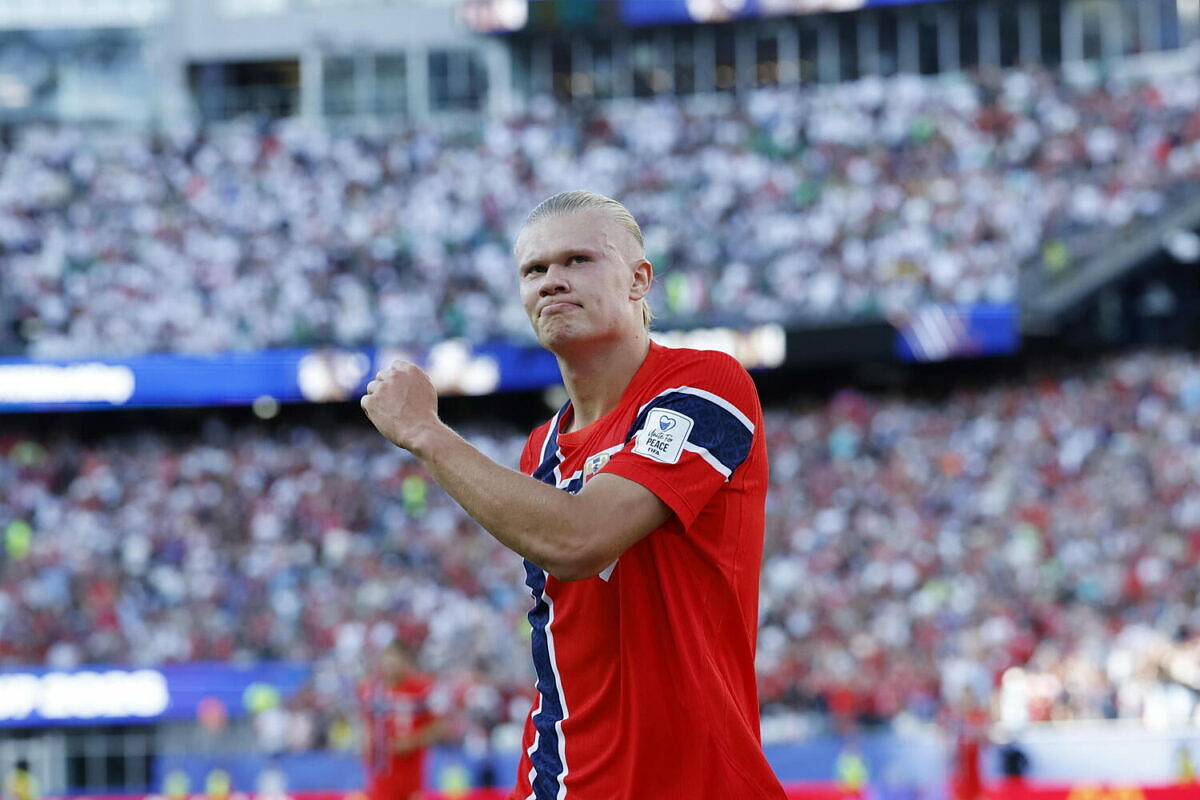
Due metri di altezza, una potenza fisica devastante e il fiuto del gol dei grandi bomber. Ma ridurre Erling Haaland a una semplice macchina da reti sarebbe un errore. Il fuoriclasse norvegese è uno dei volti simbolo dei Mondiali 2026 e, dopo la doppietta al Senegal che ha spinto la Norvegia ai sedicesimi di finale, si è confermato una delle vere rock star della competizione. Sul campo è un autentico guerriero nordico. Con la sua stazza imponente domina i difensori, attacca la profondità e trasforma in pericolo quasi ogni pallone che passa dalle sue parti. I numeri parlano per lui, ma è il modo in cui trascina la squadra a impressionare. Ogni accelerazione, ogni esultanza e ogni gol accendono l'entusiasmo dei tifosi norvegesi. Il simbolo di una squadra tornata prepotentemente a vincere e convincere sul palcoscenico mondiale.
Flop - Orjan Nyland
Il portiere è quello che sta convincendo di meno e nella sfida vinta per 3-2 contro il Senegal si è lasciato battere due volte da Sarr. I 2 gol subiti sono un campanello d'allarme per le prossime sfide che affronteranno i vichinghi. Per arrivare fino in fondo oltre all'attacco, serve maggiore sicurezza e affidabilità da parte dell'estremo difensore.
Sorpresa - Holmgren Pedersen
L'esterno 25enne, da due stagioni al Torino, non aveva mai giocato un Mondiale. All'esordio aveva fatto panchina e anche nella seconda partita sembrava destinato a non essere protagonista ma al 13esimo del primo tempo l'infortunio di Ryerson ha cambiato tutto. E' stato proprio Pedersen sul finire del primo tempo a trovare il gol che ha sbloccato la gara. Bisogna tornare al Mondiale in Russia del 2018 per ritrovare un gol granata nel campionato del Mondo. A siglarlo M’Baye Niang: l’attaccante, al termine di una stagione difficile era riuscito lo stesso ad essere convocato ai Mondiali, trovando il gol nella partita d’esordio del Senegal.
La Norvegia ai Mondiali: storia e numeri
La squadra di Solbakken vuole continuare a stupire ed è stata determinanate la sua esperienza nel riportare la Norvegia ai Mondiali. Vanta infatti 58 presenze nei suoi sei anni passati in Nazionale, di cui tre ai Mondiali di Francia 1998 e una agli Europei del 2000, competizione che segnò l’ultimo acuto (almeno fino a oggi) della nazionale scandinava. La prima partecipazione risale a Francia 1938 schierando gran parte dei calciatori che due anni prima avevano vinto la medaglia di bronzo alle Olimpiadi di Berlino, anche se l’esito nel torneo d’Oltralpe non fu altrettanto felice. I quasi 30 anni di assenza della Norvegia dall’evento clou del calcio mondiale appaiono ancora più lunghi se si pensa che a Francia 1998 gli scandinavi ottennero il loro miglior risultato di sempre nel torneo. Nella fase a gironi conquistarono cinque punti nei match contro Marocco, Scozia e Brasile, sufficienti per approdare agli ottavi di finale dove avrebbero affrontato l’Italia, per la terza volta in tre partecipazioni alla Coppa del Mondo. Dopo le sconfitte del 1938 e del 1994, la Norvegia dovette ancora una volta arrendersi contro gli Azzurri, trafitta da un diagonale di Bobo Vieri nel match disputato a Marsiglia.
Verso i sedicesimi
Da questo momento ogni dettaglio può fare la differenza ma con la macchina da guerra in attacco, i tifosi norvegesi possono sognare. La “generazione d’oro” della Norvegia ha le carte in regola per conquistare un risultato eccezionale in Nord America, grazie alla guida tecnica, all’estro di Martin Odegaard e alla vena realizzativa di Erling Haaland.
Probabile formazione
Norvegia (4-3-3): Nyland; Pedersen, Ajer, Ostigard, Wolfe; Odegaard, Berge, Aursnes; Sorloth, Haaland, Nusa. Ct: Solbakken
After winning the group as top of the class, Norway continues to confirm itself as one of the national teams ready to amaze in the World Cup. Two wins in three games, matches played with the right concentration and with the Manchester City striker confirming himself as a war machine.
Top - Erling Haaland
Two meters tall, devastating physical power and the instinct for goal of great strikers. But reducing Erling Haaland to a mere scoring machine would be a mistake. The Norwegian champion is one of the symbolic faces of the 2026 World Cup and, after the brace against Senegal that pushed Norway to the round of 32, he confirmed himself as one of the true rock stars of the competition. On the field he is an authentic Nordic warrior. With his imposing size he dominates defenders, attacks depth and turns almost every ball that passes his way into danger. The numbers speak for him, but it's the way he carries the team that impresses. Every acceleration, every celebration and every goal ignites the enthusiasm of the Norwegian fans. The symbol of a team that has forcefully returned to winning and convincing on the world stage.
Flop - Orjan Nyland
The goalkeeper is the one who is least convincing and in the 3-2 win against Senegal he let Sarr beat him twice. The 2 goals conceded are a wake-up call for the next challenges the Vikings will face. To get to the end, in addition to the attack, greater confidence and reliability is needed on the part of the goalkeeper.
Sorpresa - Holmgren Pedersen
The 25-year-old winger, who has been with Torino for two seasons, had never played in a World Cup. In his debut he made the bench and in the second game he seemed destined not to be a protagonist but in the 13th minute of the first half Ryerson's injury changed everything. At the end of the first half it was Pedersen who found the goal that broke the deadlock. We have to go back to the 2018 World Cup in Russia to find a grenade goal in the World Championship. M'Baye Niang signed it: the striker, at the end of a difficult season, still managed to be called up to the World Cup, scoring in Senegal's debut match.
La Norvegia ai Mondiali: storia e numeri
Solbakken's team wants to continue to amaze and its experience has been decisive in bringing Norway back to the World Cup. In fact, he boasted 58 appearances in his six years spent with the national team, including three at the 1998 World Cup in France and one at the 2000 European Championships, a competition which marked the last high point (at least until today) of the Scandinavian national team. The first participation dates back to France 1938, fielding most of the players who two years earlier had won the bronze medal at the Berlin Olympics, even if the outcome in the French tournament was not as happy. Norway's almost 30-year absence from the highlight of world football appears even longer if you consider that at France 1998 the Scandinavians achieved their best result ever in the tournament. In the group stage they won five points in matches against Morocco, Scotland and Brazil, enough to reach the round of 16 where they would face Italy, for the third time in three participations in the World Cup. After the defeats of 1938 and 1994, Norway once again had to surrender against the Azzurri, pierced by a diagonal shot from Bobo Vieri in the match played in Marseille.
Verso i sedicesimi
From now on every detail can make the difference but with the war machine in attack, the Norwegian fans can dream. Norway's "golden generation" has what it takes to achieve an exceptional result in North America, thanks to the technical guidance, the creativity of Martin Odegaard and the creative streak of Erling Haaland.
Probable training
Norway (4-3-3): Nyland; Pedersen, Ajer, Ostigard, Wolfe; Odegaard, Berge, Aursnes; Sorloth, Haaland, Nusa. Coach: Solbakken