


C’è una vecchia storia nel calcio che si ripete ciclicamente, con attori diversi ma trama sempre uguale. Da una parte c’è un club che prende un ragazzo giovane, lo mette in una scatola insieme ad altri cinquanta ragazzi giovani e li spedisce ovunque, sperando che qualcuno torni trasformato in oro. Dall’altra c’è un club che prende quel ragazzo, lo guarda negli occhi e gli dice: qui dentro puoi diventare qualcosa di grande.
Il primo è il Chelsea. Il secondo è l’Inter.
Non è una questione di soldi spesi, sia chiaro. Il Chelsea ne ha investiti a vagonate — circa 1,7 miliardi negli ultimi anni — in quello che molti osservatori definiscono ormai “il più grande disastro gestionale del calcio mondiale”.
Chelsea: tanta spesa poca resa

Il paradosso è proprio questo: raramente nella storia del calcio moderno si è visto un club spendere così tanto ottenendo così poco. Nonostante tutte le sue spese, il Chelsea ha chiuso la Premier League 2025/26 al decimo posto, dietro squadre come Brentford, Brighton e Bournemouth.
Dov’è finito tutto quel denaro? In larga parte nei cassetti di un sistema chiamato “loan army”: un esercito di giocatori di proprietà del club sparsi per l’Europa, ceduti in prestito ad altre squadre, alcuni addirittura allo Strasburgo, che di fatto funziona come una seconda squadra del Chelsea, visto che la proprietà è la stessa.
Sovrabbondanza di alternative
Il problema non è il prestito in sé — nessun club può tenere in rosa cinquanta giocatori contemporaneamente — ma la sovrabbondanza di alternative. Così molti rischiano di giocare pochissimo, senza che il loro valore di mercato possa crescere.
Un talento che non gioca non cresce. E un talento che non cresce si deprezza.
Quello che sembrava un investimento diventa una svalutazione inevitabile.
Da Salah a Lukaku fino a Palestra
Non è una storia nuova. Basta guardare indietro di qualche anno per capire che il Chelsea ha una caratteristica particolare: non riconosce i talenti.
Mohamed Salah arrivò a Londra dal Basilea per 15 milioni. Fu giudicato insufficiente, mandato prima in prestito alla Fiorentina e poi ceduto definitivamente alla Roma. Da lì passò al Liverpool per 50 milioni, cambiò il volto della squadra di Klopp e vinse la Champions League, sfiorando il Pallone d’Oro. Non male per qualcuno ritenuto non all’altezza.
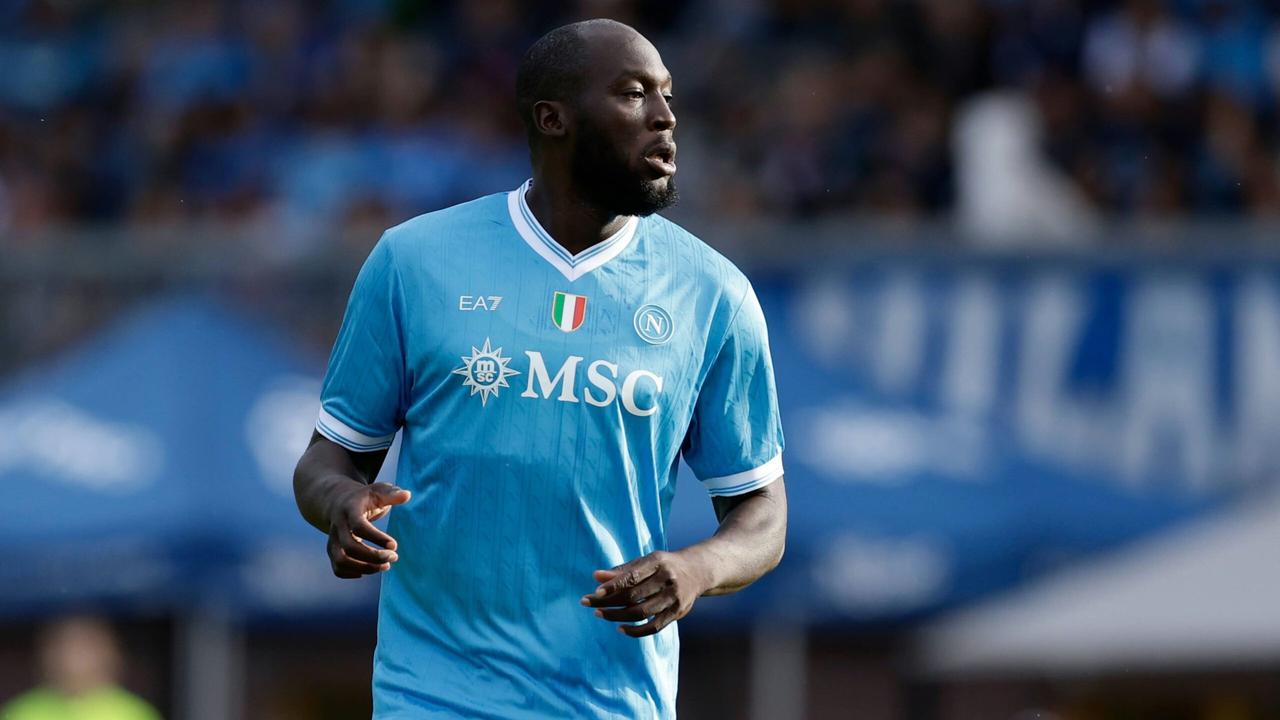
Romelu Lukaku, prelevato giovanissimo dall’Anderlecht, trascorse anni a Stamford Bridge aspettando una chance che non arrivava mai con continuità. Considerato a lungo il centravanti del futuro dei Blues, ha dovuto girare mezza Europa — Everton, Manchester United, Inter, Roma, Napoli — per diventare ciò che poteva diventare. E l’Inter, curiosamente, è stata una delle tappe in cui ha reso meglio.
Poi c’è il caso Kendry Páez, acquistato a peso d’oro come “biglietto della lotteria”: l’ecuadoriano non è riuscito a lasciare il segno né in Ligue 1 con lo Strasburgo né in Argentina con il River Plate, dove ha totalizzato solo undici presenze da subentrato e tre da titolare. Un talento che si stava assottigliando partita dopo partita, prestito dopo prestito.
L’Inter e l’arte di costruire colonne portanti

Dall’altra parte c’è un’idea completamente diversa di cosa significhi avere un giovane in rosa. L’Inter non compra talenti per accumularli: li compra per trasformarli.
Non è un concetto astratto. Basta guardare cosa è successo negli ultimi anni con il nucleo italiano della squadra. Barella, Bastoni, Dimarco, Darmian, Frattesi hanno dato ritmo, appartenenza, identità. Non è nostalgia. È strategia.
Bastoni è l’esempio più eloquente. Arrivato dall’Atalanta come promessa, è diventato una colonna attraverso un investimento paziente, fino a raggiungere una valutazione di 65 milioni su Transfermarkt, uno dei difensori italiani più preziosi d’Europa.
Barella è diventato uno dei centrocampisti più completi del continente dentro il progetto nerazzurro, non a prescindere da esso.
Frattesi, arrivato con margini di crescita enormi, ha trovato un contesto in cui ogni minuto in campo aveva un peso specifico e una funzione tattica precisa.
La differenza non è tecnica: è culturale.
Il Chelsea è diventato il simbolo di una gestione che tratta il calcio come un esperimento finanziario: una proprietà americana ambiziosa ma distante dalla cultura calcistica europea, con un modello basato su investimenti massicci, rotazioni continue e cambi tecnici frequenti.
L’Inter, al contrario, ha costruito negli anni un metodo: identificare il profilo giusto, dargli un ruolo chiaro, pretendere rendimento e aspettare che la curva di crescita si impenni.
Il valore di una scelta
C’è un dato che sintetizza tutto meglio di mille parole: un giocatore che finisce nel sistema Chelsea rischia di trovarsi, a vent’anni, ad aver giocato poco dappertutto senza riuscire a raggiungere quel livello desiderato.
Chi entra nel progetto Inter, invece, sa esattamente dove vuole arrivare, con quale allenatore e in quale posizione in campo.
Nel calcio moderno, dove i soldi sembrano risolvere qualsiasi problema, la storia di questi due club racconta il contrario: il denaro senza visione non costruisce nulla di solido.
Accumulare talenti non è la stessa cosa che svilupparli.
E per un giovane atleta non basta una vetrina lussuosa: serve qualcuno che creda davvero in lui — e gli dia il campo per dimostrarlo.
La differenza tra bruciare un talento e forgiarlo non sta nel budget. Sta nell’intelligenza con cui lo si usa.
There is an old story in football that repeats itself cyclically, with different actors but the plot always the same. On the one hand there is a club that takes a young boy, puts him in a box together with fifty other young boys and sends them everywhere, hoping that someone will return transformed into gold. On the other hand there is a club that takes that boy, looks him in the eyes and tells him: in here you can become something great.
Il primo è il Chelsea. Il secondo è l’Inter.
It's not a question of money spent, let's be clear. Chelsea has invested tons of it - around 1.7 billion in recent years - in what many observers are now calling "the biggest management disaster in world football".
Chelsea: tanta spesa poca resa
The paradox is precisely this: rarely in the history of modern football have we seen a club spend so much and achieve so little. Despite all their spending, Chelsea finished the 2025/26 Premier League in tenth place, behind teams like Brentford, Brighton and Bournemouth. Where did all that money go? Largely in the drawers of a system called "loan army": an army of players owned by the club spread across Europe, loaned to other teams, some even to Strasbourg, which effectively functions as a second team of Chelsea, given that the ownership is the same.
Sovrabbondanza di alternative
The problem is not the loan itself - no club can keep fifty players in its squad at the same time - but the overabundance of alternatives. So many risk playing very little, without their market value being able to grow. A talent who doesn't play doesn't grow. And a talent that doesn't grow depreciates. What seemed like an investment becomes an inevitable devaluation.
Da Salah a Lukaku fino a Palestra
It's not a new story. You just need to look back a few years to understand that Chelsea has a particular characteristic: it doesn't recognize talent.Mohamed Salah arrived in London from Basel for 15 million. He was judged insufficient, first sent on loan to Fiorentina and then definitively sold to Roma. From there he moved to Liverpool for 50 million, changed the face of Klopp's team and won the Champions League, coming close to winning the Ballon d'Or. Not bad for someone deemed not up to par. Romelu Lukaku, signed very young from Anderlecht, spent years at Stamford Bridge waiting for a chance that never came consistently. Long considered the center forward of the Blues' future, he had to travel around half of Europe - Everton, Manchester United, Inter, Roma, Naples - to become what he could become. And Inter, curiously, was one of the stages in which he performed better. Then there is the Kendry Páez case, purchased at its weight in gold as a "lottery ticket": the Ecuadorian was unable to leave his mark either in Ligue 1 with Strasbourg or in Argentina with River Plate, where he made only eleven appearances as a substitute and three as a starter. A talent that was dwindling game after game, loan after loan.
L’Inter e l’arte di costruire colonne portanti
On the other hand there is a completely different idea of what it means to have a young player in the squad. Inter doesn't buy talents to accumulate them: they buy them to transform them. It's not an abstract concept. Just look at what has happened in recent years with the Italian core of the team. Barella, Bastoni, Dimarco, Darmian, Frattesi gave rhythm, belonging, identity. It's not nostalgia. It's strategy. Bastoni is the most eloquent example. Arriving from Atalanta as a promising player, he became a pillar through patient investment, until he reached a valuation of 65 million on Transfermarkt, one of the most valuable Italian defenders in Europe. Barella has become one of the most complete midfielders on the continent within the Nerazzurri project, not regardless of it. Frattesi, who arrived with enormous room for growth, found a context in which every minute on the pitch had a specific weight and a precise tactical function.
La differenza non è tecnica: è culturale.
Chelsea has become the symbol of a management that treats football as a financial experiment: an ambitious American ownership but distant from European football culture, with a model based on massive investments, continuous rotations and frequent technical changes. Inter, on the contrary, has built a method over the years: identify the right profile, give him a clear role, demand returns and wait for the growth curve to steepen.
Il valore di una scelta
There is one fact that summarizes everything better than a thousand words: a player who ends up in the Chelsea system risks finding himself, at the age of twenty, having played little everywhere without being able to reach that desired level. Those who join the Inter project, however, know exactly where they want to arrive, with which coach and in which position on the pitch. In modern football, where money seems to solve any problem, the history of these two clubs tells the opposite: money without vision builds nothing solid. Accumulating talents is not the same as developing them. And for a young athlete, a luxurious showcase is not enough: he needs someone who really believes in him — and gives him the field to prove it. The difference between burning a talent and forging it is not in the budget. It lies in the intelligence with which you use it.