
Può davvero un acquisto da 74 milioni più bonus ribaltare tutto? È questa la domanda.
Nelle ultime ore sembra che a Milano sia cambiato improvvisamente l'ordine delle cose. Il Milan prende Gonçalo Ramos, l'Inter non ha ancora piazzato il grande colpo e allora ecco la sentenza: rossoneri promossi, nerazzurri in “crisi”.
Gerarchie cittadine ribaltate in un batter d’occhio.
Peccato però che il mercato inizi ufficialmente proprio in queste ore e di tempo per mettere a segno degli acquisti importanti e soprattutto funzionali alla rosa ce n'è eccome. Eppure la narrazione è già partita. L'obiettivo sembra sempre lo stesso: destabilizzare l'ambiente Inter, mettere pressione alla società, puntare il dito contro Oaktree, Marotta e Ausilio, come se bastasse un colpo sfumato per cancellare anni di lavoro.
Un colpo di mercato non cancella due anni fallimentari

Sembra quasi che qualcuno voglia riscrivere gli ultimi mesi. Come se l'Inter non arrivasse da una stagione coi fiocchi chiusa con uno storico doblete e come se il Milan non fosse reduce dall'ennesima annata ben al di sotto delle aspettative.
Quella appena conclusa è stata la seconda stagione consecutiva in cui i rossoneri hanno fallito la qualificazione alla Champions. Due anni consecutivi fuori dalla competizione più importante d'Europa. Nella stagione precedente erano rimasti fuori da tutto, mentre nell'ultima, quella in cui per molti ad un certo punto erano visti addirittura come principali candidati allo scudetto, hanno chiuso lontani dalla vetta e si sono dovuti accontentare dell'Europa League.
Ma basta un acquisto importante e improvvisamente tutto sembra dimenticato. Ma è davvero questo a fare la differenza? Sborsare milioni per il cartellino di un giocatore può davvero cancellare il fallimento totale degli ultimi anni?
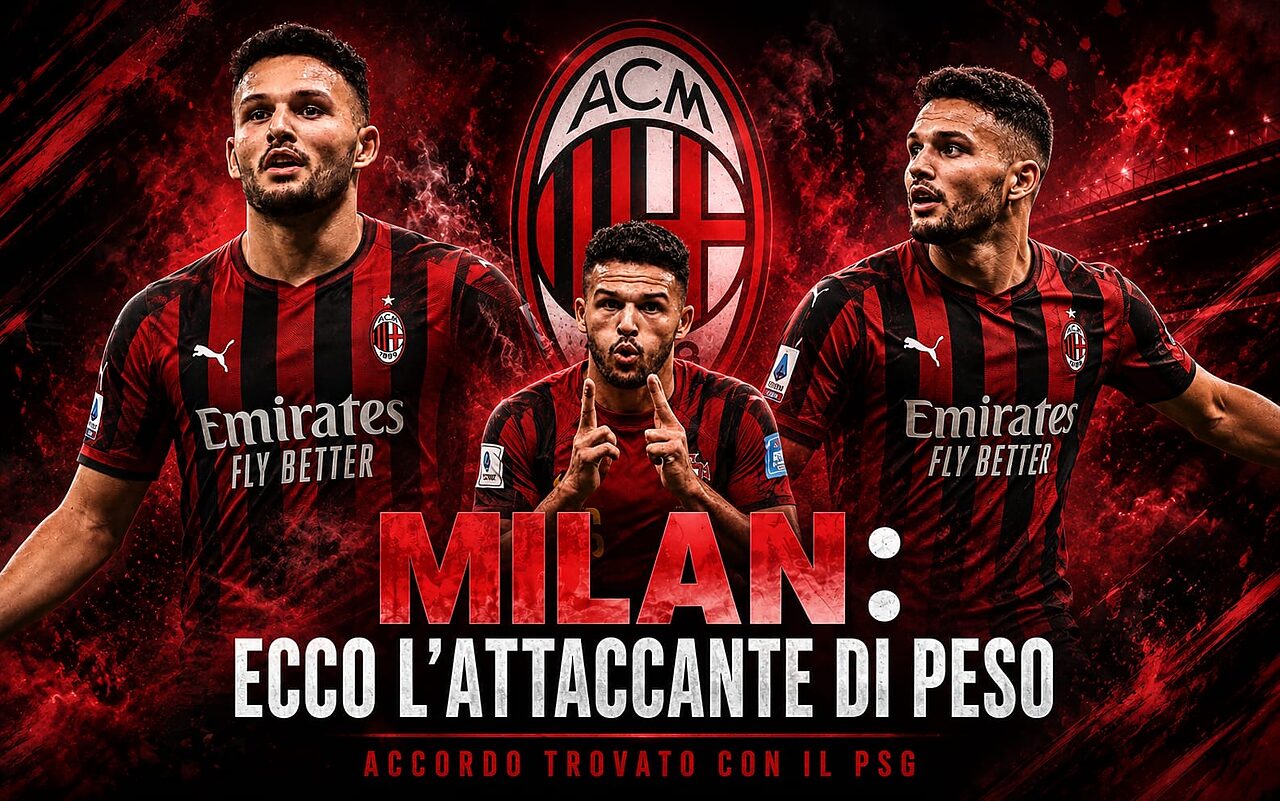
Gonçalo Ramos è un grande giocatore e potrebbe rivelarsi un colpo straordinario. Nessuno lo mette in dubbio. Ma il calcio non si gioca e decide tramite le cifre spese. Si gioca sul campo. E solo tra qualche mese si potrà capire se quei 74 milioni più bonus saranno stati un investimento vincente oppure no.
Perché l'Inter è un caso diverso

Il Milan, comunque, probabilmente aveva poche alternative. RedBird non poteva far altro che regalare ai sostenitori un colpo importante per cercare di tranquillizzare l’ambiente. Dopo due stagioni deludenti, una tifoseria in continua contestazione e la necessità di rilanciare entusiasmo e ambizioni, un investimento di questo livello era quasi obbligatorio. Serviva un segnale forte.
Diverso è il discorso dell'Inter: in casa nerazzurra c'è chi prova già a cancellare tutto ciò che è stato fatto soltanto perché è sfumato Palestra. Come se un'operazione di mercato possa azzerare il lavoro di una società che negli ultimi anni ha costruito una squadra vincente e conquistato trofei con continuità.
La verità è che oggi esiste un problema che riguarda tutto il calcio italiano: la forza economica della Premier League. Se una società inglese decide di investire 60 milioni su un talento e di offrirgli un ingaggio da 6 milioni a stagione, c'è ben poco da fare. Non è una questione di competenza o incapacità dei dirigenti: è una questione di risorse.
Ed è proprio qui che torna la domanda iniziale.
Gonçalo Ramos è un acquisto importante? Senza dubbio. Potrà cambiare il futuro del Milan? Certamente. Ma non può cancellare il passato e soprattutto i recenti fallimenti. Così come un Palestra sfumato non può cancellare quello che l'Inter ha costruito negli ultimi anni.
Can a 74 million purchase plus bonus really turn everything around? This is the question.
In the last few hours it seems that the order of things has suddenly changed in Milan. Milan takes Gonçalo Ramos, Inter hasn't yet made the big move and so here's the sentence: Rossoneri promoted, Nerazzurri in "crisis". City hierarchies overturned in the blink of an eye.
It's a shame, however, that the transfer market officially begins right now and there is plenty of time to make important and above all functional purchases for the squad. Yet the narrative has already started. The objective always seems to be the same: to destabilize the Inter environment, to put pressure on the club, to point the finger at Oaktree, Marotta and Ausilio, as if a subtle blow were enough to erase years of work.
Un colpo di mercato non cancella due anni fallimentari
It almost seems like someone wants to rewrite the last few months. As if Inter hadn't come off a great season that ended with a historic double and as if Milan hadn't just returned from yet another year well below expectations.
The season just ended was the second consecutive season in which the Rossoneri failed to qualify for the Champions League. Two consecutive years out of Europe's most important competition. In the previous season they had remained out of everything, while in the last one, the one in which for many at a certain point they were even seen as main candidates for the scudetto, they finished far from the top and had to settle for the Europa League.
But all it takes is one major purchase and suddenly everything seems forgotten. But does this really make the difference? Can shelling out millions for a player's price tag really erase the total failure of recent years?
Gonçalo Ramos is a great player and could prove to be an extraordinary coup. Nobody doubts it. But football is not played and decided through the amounts spent. It is played on the field. And only in a few months will it be possible to understand whether those 74 million plus bonuses will have been a winning investment or not.
Perché l'Inter è un caso diverso
Milan, however, probably had few alternatives. RedBird could not help but give supporters an important blow to try to calm the environment. After two disappointing seasons, a continuously contesting fan base and the need to relaunch enthusiasm and ambitions, an investment of this level was almost mandatory. A strong signal was needed.
Inter's situation is different: at the Nerazzurri there are those who are already trying to erase everything that has been done just because Palestra has disappeared. As if a market operation could eliminate the work of a club that in recent years has built a winning team and won trophies continuously.
The truth is that today there is a problem that affects all of Italian football: the economic strength of the Premier League. If an English club decides to invest 60 million in a talent and offer him a salary of 6 million per season, there is very little that can be done. It is not a question of the competence or inability of managers: it is a question of resources.
And this is precisely where the initial question returns.
Is Gonçalo Ramos an important signing? Without a doubt. Could it change Milan's future? Certainly. But it cannot erase the past and especially the recent failures. Just as a faded Palestra cannot erase what Inter has built in recent years.