


L'Austria sarà una delle 32 protagoniste nella fase a eliminazione diretta del Mondiale 2026. La nazionale di Ralf Rangnick ha conquistato il secondo posto nel Gruppo J al termine di una delle partite più incredibili dell'intera fase a gironi, pareggiando 3-3 contro l'Algeria grazie al gol di Kalajdzic al 96'. Una rete arrivata quando tutto sembrava ormai perduto: appena tre minuti prima, il 3-2 di Riyad Mahrez aveva infatti fatto precipitare gli austriaci al terzo posto, condannandoli virtualmente all'eliminazione. Poi l'ultimo assalto, il colpo di testa di Kalajdzic e una qualificazione ripresa letteralmente sull'ultima azione della gara. Un finale folle in cui nel giro di pochi minuti tutto si è ribaltato e che ha consegnato all'Austria il secondo posto nel girone e il pass per i sedicesimi di finale.
Ora, però, arriva l'ostacolo più difficile: la Spagna, vincitrice del Gruppo H e tra le principali favorite per il titolo. Una sfida che sulla carta sembra proibitiva, ma che l'Austria affronterà senza particolari pressioni e consapevole che il calcio, anche e soprattutto dopo quanto accaduto nell'ultima giornata del girone, può regalare qualsiasi tipo di finale.
Un ritorno atteso da 28 anni

Per l'Austria il Mondiale 2026 rappresenta un ritorno storico. La nazionale biancorossa mancava infatti dalla Coppa del Mondo disputata in Francia nel 1998 quando non andò oltre la fase a gironi: un digiuno lungo ventotto anni. Si tratta dell'ottava partecipazione della sua storia, iniziata nel 1934 in Italia.
Il miglior risultato resta il prestigioso terzo posto conquistato nel 1954.
Come è arrivata la qualificazione
Il percorso verso Messico, Canada e Stati Uniti è stato assolutamente convincente. L'Austria ha chiuso al primo posto il proprio girone di qualificazione davanti a Bosnia-Erzegovina, Romania, Cipro e San Marino, confermando la crescita mostrata già negli ultimi Europei.
Gran parte del merito porta la firma di Ralf Rangnick. Il tecnico tedesco, alla guida della nazionale dall'aprile 2022, ha trasformato l'identità della squadra imponendo un calcio moderno, fatto di pressing alto, ritmi intensi e transizioni rapidissime. Rangnick ha trasferito anche in nazionale i principi che avevano caratterizzato le sue esperienze con i club dall'Hoffenheim, allo Schalke e soprattutto Lipsia, e reso l'Austria una delle selezioni più organizzate e aggressive del panorama europeo.
Top, flop e sorpresa dell'Austria
Il marchio di fabbrica della squadra resta il gioco ideato da Rangnick, basato su aggressività e recupero immediato del pallone. Nel girone, però, sono emerse anche diverse individualità anche se ci sono delle lacune.
TOP
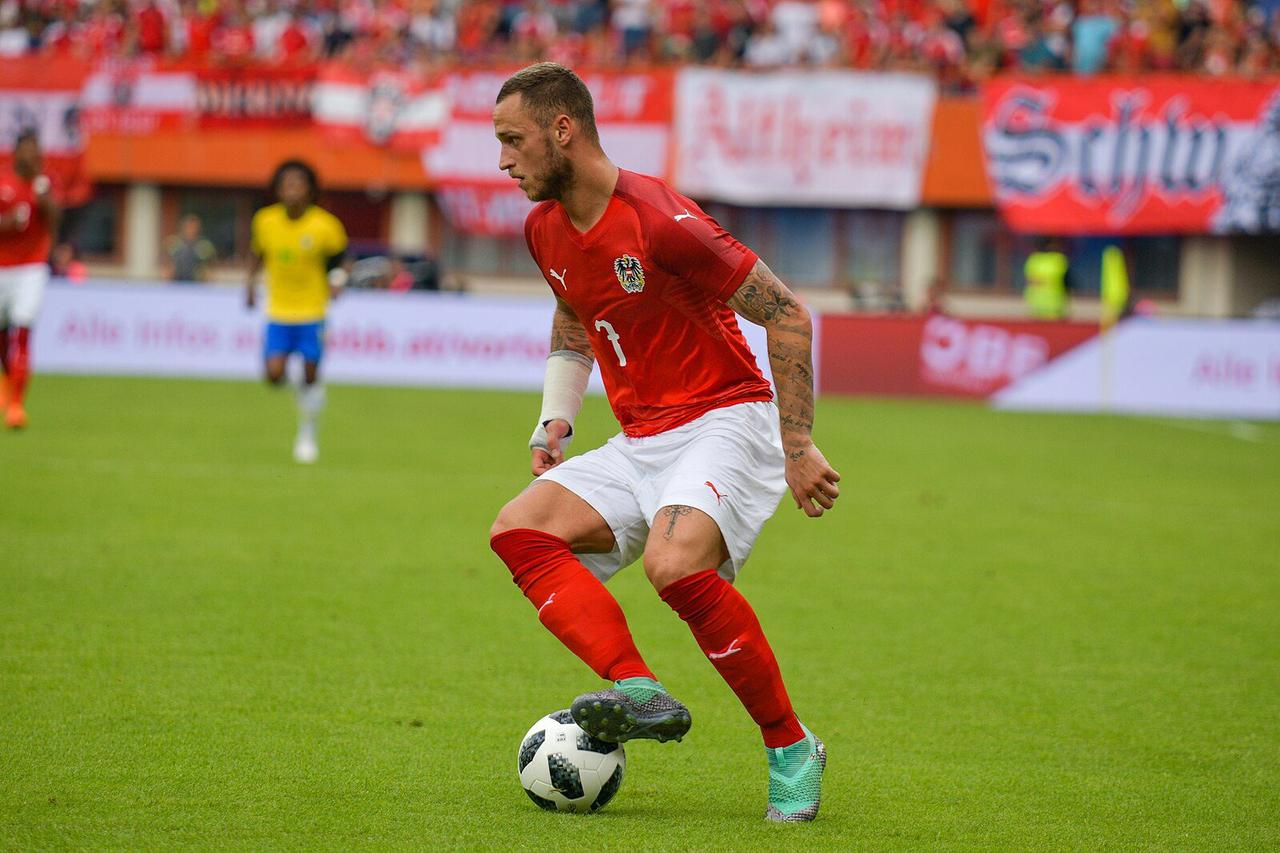
Tra i top spicca Marcel Sabitzer, leader tecnico della squadra. Il centrocampista ha confermato la propria importanza risultando decisivo anche nella spettacolare sfida contro l'Algeria, trovando la rete del momentaneo 2 a 1. Da sottolineare anche il contributo del veterano Marko Arnautović, che continua a rappresentare un punto di riferimento offensivo e ha aperto le marcature nell'ultima decisiva partita.
SORPRESA
La sorpresa è Sasa Kalajdzic. Entrato nel finale della gara contro l'Algeria, l'attaccante ha impiegato pochissimi secondi per segnare il gol che ha cambiato il destino dell'Austria e dell'intero Gruppo J. Una rete destinata a entrare nella storia del calcio austriaco.
FLOP
Tra i flop, più che i singoli, c'è una fase difensiva che ha mostrato diverse crepe e limiti. I sei gol incassati nelle ultime due gare del girone evidenziano una squadra molto efficace quando attacca ma ancora assolutamente vulnerabile nella retroguardia. Contro una Spagna ricca di qualità servirà maggiore solidità.
Adesso la sfida con la Spagna
Una qualificazione molto sofferta ma ora si entra nel vivo. Ai sedicesimi l'Austria affronterà la Spagna, una delle nazionali più convincenti della fase a gironi e candidata alla vittoria finale. Il match andrà in scena al SoFi Stadium di Inglewood il 2 luglio alle 21:00 (ora italiana).
Sarà una sfida affascinante sotto il profilo tattico: il pressing aggressivo e il calcio verticale degli austriaci contro il possesso palla e la qualità tecnica degli spagnoli. L'Austria parte inevitabilmente sfavorita, ma arriva all'appuntamento con entusiasmo e senza nulla da perdere. Dopo aver riscritto il proprio destino al 96' contro l'Algeria, i biancorossi hanno già dimostrato di non darsi per vinti facilmente.
Probabile formazione
Austria (4-2-3-1): Schlager; Posch, Lienhart, Alaba, Laimer; Seiwald, X. Schlager; Schmid, Gregoritsch, Sabitzer; Arnautovic. Ct. Rangnick.
Austria will be one of the 32 protagonists in the knockout phase of the 2026 World Cup. Ralf Rangnick's national team took second place in Group J at the end of one of the most incredible matches of the entire group stage, drawing 3-3 against Algeria thanks to a goal from Kalajdzic in the 96th minute. A goal that arrived when everything seemed lost: just three minutes earlier, Riyad Mahrez's 3-2 had in fact dropped the Austrians into third place, virtually condemning them to elimination. Then the last assault, Kalajdzic's header and a qualification restarted literally on the last action of the match. A crazy ending in which everything was reversed in the space of a few minutes and which gave Austria second place in the group and the pass to the round of 32.
Now, however, comes the most difficult obstacle: Spain, winner of Group H and among the main favorites for the title. A challenge that seems prohibitive on paper, but which Austria will face without particular pressure and aware that football, even and above all after what happened on the last day of the group, can give any type of final.
Un ritorno atteso da 28 anni
For Austria, the 2026 World Cup represents a historic return. The red and white national team was in fact missing from the World Cup held in France in 1998 when it did not go beyond the group stage: a twenty-eight year long drought. This is the eighth participation in its history, which began in 1934 in Italy.
The best result remains the prestigious third place achieved in 1954.
Come è arrivata la qualificazione
The route to Mexico, Canada and the United States was absolutely convincing. Austria finished in first place in their qualifying group ahead of Bosnia-Herzegovina, Romania, Cyprus and San Marino, confirming the growth already shown in the last European Championships.
Much of the credit goes to the signature of Ralf Rangnick. The German coach, at the helm of the national team since April 2022, has transformed the team's identity by imposing modern football, made up of high pressing, intense rhythms and very fast transitions. Rangnick also transferred to the national team the principles that had characterized his experiences with clubs from Hoffenheim, to Schalke and above all Leipzig, and made Austria one of the most organized and aggressive selections on the European scene.
Top, flop e sorpresa dell'Austria
The team's trademark remains the game created by Rangnick, based on aggression and immediate recovery of the ball. In the group, however, several individuals also emerged even if there are some gaps.
TOP
Among the top players stands out Marcel Sabitzer, the team's technical leader. The midfielder confirmed his importance by also being decisive in the spectacular match against Algeria, finding the net to make the momentary 2-1. Also worth highlighting is the contribution of the veteran Marko Arnautović, who continues to represent an offensive point of reference and opened the scoring in the last decisive match.
SURPRISE
The surprise is Sasa Kalajdzic. Coming on at the end of the match against Algeria, the attacker took just a few seconds to score the goal that changed the fate of Austria and the entire Group J. A goal destined to go down in the history of Austrian football.
FLOP
Among the flops, more than the singles, there is a defensive phase that showed several cracks and limits. The six goals conceded in the last two group games highlight a team that is very effective when attacking but still absolutely vulnerable at the back. Against a Spain full of quality, greater solidity will be needed.
Adesso la sfida con la Spagna
A very difficult qualification but now we get to the heart of things. In the round of 32, Austria will face Spain, one of the most convincing national teams in the group stage and a candidate for final victory. The match will be staged at SoFi Stadium in Inglewood on July 2 at 9:00 pm (Italian time).
It will be a fascinating challenge from a tactical point of view: the aggressive pressing and vertical football of the Austrians against the ball possession and technical quality of the Spaniards. Austria inevitably starts out as an underdog, but arrives at the match with enthusiasm and with nothing to lose. After having rewritten their destiny in the 96th minute against Algeria, the red and whites have already shown that they will not give up easily.
Probable training
Austria (4-2-3-1): Schlager; Posch, Lienhart, Alaba, Laimer; Seiwald, X. Schlager; Schmid, Gregoritsch, Sabitzer; Arnautovic. Ct. Rangnick.